Pharmaceutical and nutraceutical brands have some of the most specific packaging requirements in any consumer category. A supplement bottle, a blister pack, a sachet box, or a retail display unit all need secondary corrugated packaging that is food-safe, dimensionally precise, strong enough to survive distribution, and printable to brand standards.
Most supplement brands in the USA and UK source their corrugated secondary packaging from domestic suppliers or through distributors. The margins are tight, reorders are frequent, and the volumes are high enough that packaging is a meaningful cost line in the business. That is where direct sourcing from an Indian corrugated manufacturer starts to make sense.
This guide covers the types of corrugated secondary packaging used across pharma and nutraceutical supply chains, the material and food-safety requirements specific to this category, and how direct import from India works at scale.
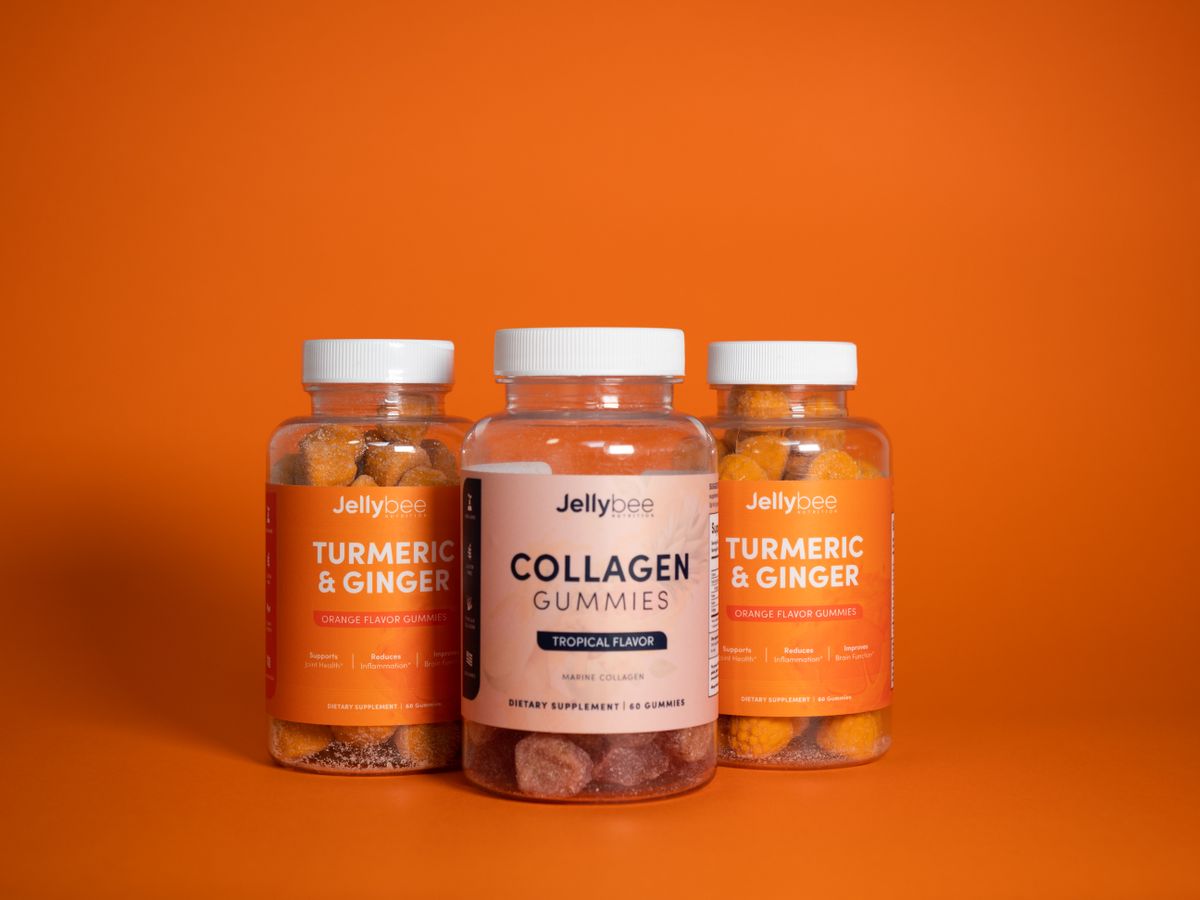
What Secondary Packaging Means in Pharma and Nutraceuticals
In packaging terminology, primary packaging is the layer in direct contact with the product: the bottle, jar, blister card, or sachet. Secondary packaging is everything around it - the box that holds the bottle, the shipper carton that groups 12 or 24 units together, the shelf-ready display tray, or the e-commerce mailer that sends a subscription order directly to a customer.
Corrugated board is the dominant material for secondary packaging across the pharmaceutical and nutraceutical categories. It is strong enough to protect glass and plastic containers in transit, light enough not to add unnecessary freight weight, fully recyclable, and printable to brand standards. For brands that need to differentiate on shelf or in an unboxing experience, corrugated is the starting point.
The volume of secondary packaging consumed by a mid-sized supplement brand is significant. A brand selling 50,000 units per month across bottles, pouches, and sachets may use 30,000 to 60,000 corrugated boxes per month across all SKUs. At that volume, the unit cost of the box matters, and the difference between buying through a domestic distributor and sourcing factory-direct from India is substantial.
Food-Safe and Pharmaceutical-Grade Board Requirements
The first question any supplement brand or pharmaceutical importer should ask about corrugated secondary packaging is whether the board is food-safe. The answer depends on what "food-safe" means in context.
For secondary packaging that does not directly contact the product - an outer shipper carton around sealed, capped bottles, for example - standard corrugated board is acceptable in most markets. The outer carton is not considered a food-contact material under FDA 21 CFR regulations or UK food contact legislation.
For packaging that is in direct or close contact with food or supplements - sachets packed loose inside a corrugated display tray, or bottles with un-capped tops resting against the inner liner - food-safe liner specifications apply. These include:
Unbleached kraft liner. Natural kraft, made without chlorine bleaching, is the baseline food-safe choice. It is the standard liner for pharmaceutical shipper cartons worldwide.
Low-migration inks. If the inner surface of the corrugated box is printed, the inks must meet food-contact standards. Water-based, low-migration inks compliant with EU Regulation 10/2011 or FDA guidelines are required. At Whizzpack, our standard water-based flexo inks meet these requirements for indirect food contact applications.
Virgin fibre liner. For sensitive pharmaceutical applications, virgin fibre liner (as opposed to recycled content liner) eliminates the risk of contamination from post-consumer recycled fibre. Virgin kraft liner is available across all our flute specifications.
Mineral oil free board. Mineral oil saturation hydrocarbons (MOSH/MOAH) are a known contamination risk when recycled board is used in close proximity to food products. Virgin fibre board or board certified for mineral oil compliance eliminates this risk for brands with strict compliance requirements.
When specifying corrugated secondary packaging for a pharmaceutical or nutraceutical supply chain, clearly stating the food-contact status of the application allows the manufacturer to recommend the appropriate liner and ink specification. Our team works through this with every new client before sampling begins. Pet food brands face the same food-safe board decisions and will find a detailed breakdown of liner and ink requirements in our corrugated boxes for pet food brands guide.
Box Types and Formats for Pharma and Nutraceutical Brands
Secondary corrugated packaging in the supplement and health product category takes several distinct forms.
Shipper Cartons
The shipper carton is the workhorse of pharmaceutical secondary packaging. It is the RSC (Regular Slotted Container) box that holds 6, 12, or 24 units of a product for distribution from a fulfilment centre or warehouse. Shipper cartons need to be dimensionally accurate to the product inside, strong enough to be stacked on pallets in transit, and light enough to keep freight costs manageable.
For most supplement bottles (60ct, 90ct, 120ct in standard sizes), an E-flute or B-flute single wall shipper carton provides sufficient compression strength for a standard palletised ocean freight journey. For heavier items - glass jars, multi-pack bundles, or bulk catering formats - BC double wall construction provides the additional top-load resistance needed. Wine and spirits brands, which ship glass bottles at similar weights and have their own glass-protection and FSC certification requirements, will find category-specific sourcing guidance in our corrugated boxes for wine and spirits brands guide.
Shelf-Ready Packaging (SRP)
Shelf-ready packaging, also called retail-ready packaging, is a corrugated tray or box that opens at the front to become its own display unit on a retail shelf. Major retailers in the US and UK - natural food chains, pharmacy groups, and health food stores - increasingly require suppliers to ship in shelf-ready formats that reduce shelf-stacking time.
Shelf-ready trays for supplement brands are typically made from E-flute corrugated, printed on the outer surface with product branding and the retailer's shelf label position. The perforated tear-away front panel is a standard feature. This format is used by supplement brands selling into Whole Foods, Boots, Holland and Barrett, and similar retailers.
E-Commerce Mailer Boxes
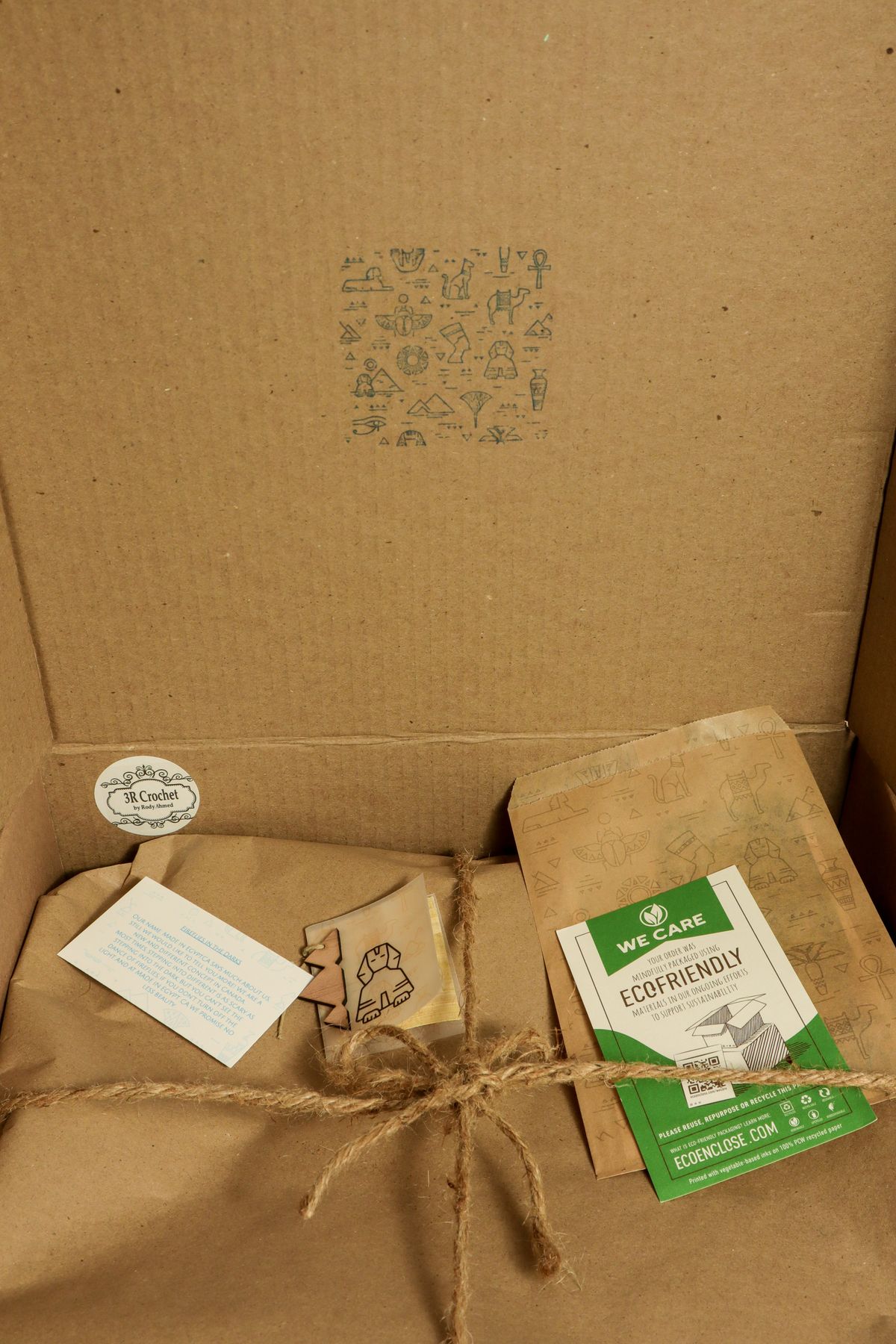
Direct-to-consumer supplement brands selling through their own websites, Amazon, or subscription models need packaging that performs both as a shipper and as an unboxing experience. Corrugated mailer boxes with custom printing inside and outside are the standard solution.
For subscription supplement brands, the unboxing moment is a brand touchpoint. Printed inner surfaces, inserts, and compartmented tray inserts all contribute to the customer experience. We cover this format in more detail in our guide on mailer boxes for subscription brands sourced from India.
Display Trays and Counter Units
For pharmacy counter displays and natural food retail, smaller corrugated display trays hold individual product units upright for customers to pick from. These are typically shallow E-flute trays, printed with product graphics, sized to hold 6 to 12 units in a single facing. Die-cut windows cut into the front of the tray allow the primary packaging to be partially visible.
Flute Specification for Supplement Packaging
The choice of flute type determines the physical properties of the corrugated box - wall thickness, compression strength, and printability.
E-flute (1.5mm): The standard choice for retail-facing supplement packaging. Thin, lightweight, with an excellent print surface for flexographic printing. Used for shelf-ready trays, display units, and lightweight shipper cartons for smaller bottles.
B-flute (3mm): Better compression strength than E-flute, used for shipper cartons carrying heavier loads or where stacking on pallets in a container is required for extended periods.
BC double wall (7mm): For heavy-duty pharmaceutical shipments - bulk supplement formats, glass containers, or industrial healthcare product shipments requiring maximum protection. Our heavy-duty corrugated boxes for export shipping guide covers the full specification for double wall grades.
For most supplement brands sourcing shipper cartons and retail-ready trays, E-flute and B-flute single wall construction covers the majority of SKUs.
Custom Printing for Pharmaceutical and Nutraceutical Brands
Brand consistency is non-negotiable in the supplement category. Regulatory requirements mean that outer packaging must carry accurate product names, ingredient disclosures, and lot numbers. Brand requirements add logos, Pantone-matched colour schemes, and marketing copy. The corrugated secondary box is often the largest printed surface in the whole pack.
At Whizzpack, we offer flexographic printing in 1 to 4 Pantone-matched colours as standard, with litho-laminated options for premium retail finishes. Water-based inks are used across all print formats, maintaining recyclability and meeting food-adjacent safety standards.
For supplement brands that need to update labelling - regulatory updates, reformulations, new market launches - our tooling system allows die-line modifications without full retooling costs on established SKUs. A detailed breakdown of the custom printing process is in our custom printed boxes buyer's guide.
Eco-Friendly Credentials for Supplement Brands
The supplement and natural health category has a particularly health-conscious, environmentally aware consumer base. Brands in this space face consumer and retailer pressure to demonstrate sustainable packaging practices alongside their sustainable product formulations.
Corrugated board is well positioned for this. A standard corrugated shipper carton made with recycled content liner and unbleached kraft is fully recyclable in standard curbside paper collection. No special recycling stream is needed. For brands making FSC claims, we supply FSC chain-of-custody certified corrugated board on request.
For natural and organic supplement brands that carry USDA Organic, GOTS, or OEKO-TEX certified products, corrugated secondary packaging made from virgin kraft liner with water-based inks aligns with the ethos of those certifications - even if the packaging itself does not require formal certification. Our broader approach to eco-friendly packaging from India covers FSC and recyclable material options across our full product range.
Biodegradability is also a meaningful claim for this consumer category. Uncoated corrugated board breaks down in composting conditions. Avoiding PE-coated or wax-coated corrugated in secondary packaging keeps the sustainability story consistent.
Ordering at Scale: What the Import Process Looks Like
For supplement brands that have reached a volume where direct import from a corrugated manufacturer makes sense, the import process follows a clear sequence.
Specification agreement. This covers dimensions (inner L x W x H for each SKU), flute type, board grade, liner specification (virgin or recycled, food-safe requirements), print colours, and any special coatings or treatments.
Sample production. Physical samples are produced to the agreed specification before production is committed. For pharmaceutical applications, this sample stage is critical - it allows the brand's quality team to test the box with the actual product, verify dimensions, assess print quality, and confirm compliance with any food-contact requirements. We produce samples within 7 to 10 working days of specification agreement.
Production order. Standard production for a full container of corrugated boxes runs 18 to 28 working days from approved sample, depending on complexity and print specification.
Freight and clearance. Ocean freight from Mundra or JNPT (Mumbai) to US East Coast ports averages 20 to 28 days. West Coast ports are similar. UK ports (Felixstowe, Southampton) run 20 to 25 days. Customs documentation - commercial invoice, packing list, bill of lading, certificate of origin - is prepared by our export team. A full walkthrough of the import process is in our guide on how to import corrugated boxes from India.
Ongoing supply. After the first successful container, most supplement brands set up a rolling order cycle - typically one container every 4 to 8 weeks depending on consumption rate. The economics improve as volume grows and freight rates are optimised per container.
What to Send When You Enquire
To get samples and a quote as quickly as possible, having the following information ready speeds up the process:
- SKU list: How many different box sizes and specifications do you need?
- Dimensions: Inner L x W x H for each SKU, in mm or inches
- Units per SKU per month: Estimated monthly consumption across all SKUs
- Food-contact status: Is the inner surface of the box in direct or close contact with the product?
- Print requirement: Number of Pantone colours, whether artwork exists or needs to be created from brand guidelines
- Existing supplier samples: If you have current packaging, sharing a sample with us allows a direct comparison specification
If you are not sure about flute type or board grade, describe the product going into the box and we will recommend the appropriate specification.
Getting Started
The first container is the hardest part. After that, the process becomes routine. If your brand is consuming enough secondary packaging to justify a container per month or more, direct import from India is worth evaluating seriously.
To request samples or discuss specifications, contact us through our enquiry form. We respond to pharmaceutical and nutraceutical packaging enquiries within 24 hours.