
The global beauty industry ships billions of units every year, from glass serum bottles and pressed powder compacts to liquid soap dispensers and travel-size kits. Behind every shipment is a corrugated box that has to do several jobs at once: protect fragile contents, reflect the brand's premium positioning, meet the retailer's labeling requirements, and survive a logistics chain that could span three continents.
For beauty brands sourcing packaging at scale, factory-direct procurement from India has become one of the most commercially attractive routes. Indian manufacturers supply corrugated boxes to retailers and distributors in the UK, US, EU, Australia, and the Gulf - often at margins that domestic suppliers in those markets cannot match. This guide covers what cosmetics brands need to know before they source.
Why Cosmetics Packaging Demands More from Corrugated Boxes
Corrugated packaging for beauty products is not the same category as general shipping cartons. The differences matter.
Fragile contents. Glass bottles, ceramic jars, and pump dispensers break under shock. Corrugated inserts, die-cut dividers, and double-wall board grades are used to keep units stable during transit.
Liquid and moisture sensitivity. Serums, toners, and liquid foundations can leak if primary packaging is compromised. The outer corrugated box often needs a moisture-resistant coating or inner liner to protect secondary packaging.
Brand presentation. Direct-to-consumer beauty brands are measured on unboxing experience. The corrugated box is part of the product. Custom printing - CMYK, litho laminate, spot UV, foil, and emboss finishes - converts a functional shipping carton into a branded moment.
Retail compliance. Bulk orders going into retail or fulfillment centers, including Amazon FBA, must meet specific size tolerances, weight limits, and labeling standards. Deviations get rejected at the dock.
Eco-friendly demand. Beauty consumers and retailers increasingly require packaging that is recyclable, FSC-certified, and free from toxic inks or coatings. Brands that cannot demonstrate sustainable packaging face pushback from buyers, particularly in the UK and EU.
Types of Corrugated Boxes Cosmetics Brands Use
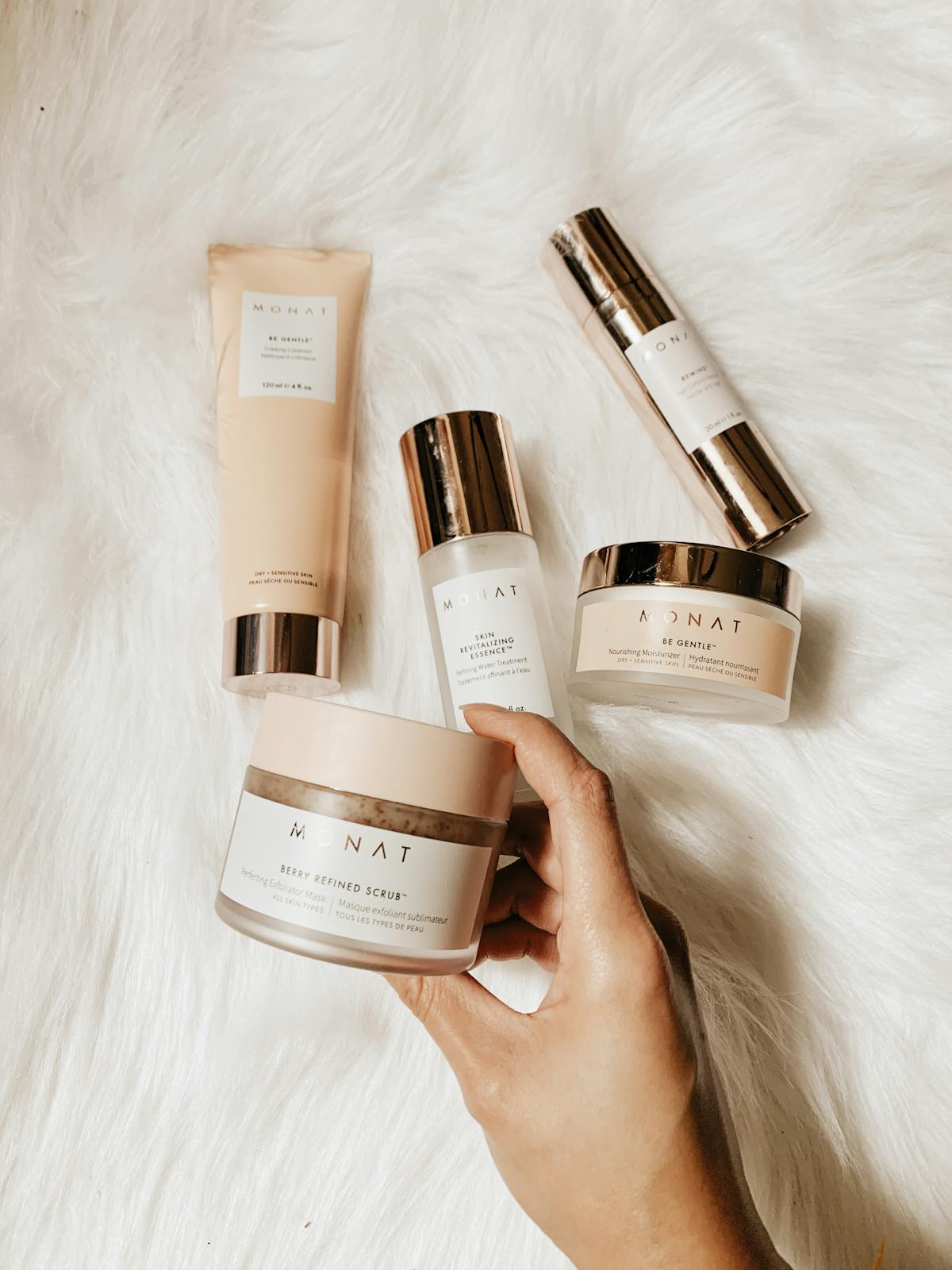
The category is not monolithic. Beauty brands typically use a combination of box types depending on their sales channel.
Shipping mailer boxes. Used by direct-to-consumer brands for individual customer orders. These are printed on the outside and sometimes inside, use B-flute or E-flute board, and are designed for a clean unboxing experience. Many have self-locking or tuck-top closures.
Master shipper cartons. Used to pack multiple retail units for bulk distribution to retailers or third-party logistics providers. These are typically RSC (regular slotted container) style in B-flute or C-flute, plain or with simple print, and optimized for stacking strength.
Display-ready packaging. Used for retail shelf display. These open at the top for product visibility, often have a printed front panel, and are designed to convert easily from a shipping carton into a retail shelf unit.
Gift set boxes. Used for bundled sets, such as a moisturizer, serum, and face wash sold together. These use higher board grades, often with die-cut internal structure, and are fully printed with premium finishes.
Subscription boxes. Monthly or quarterly curated boxes. These are fully custom, usually with internal branding, a lid-and-base or mailer construction, and sometimes with a custom printed inner sleeve. Food and beverage brands, including specialty tea and coffee companies, are among the fastest-growing users of this format alongside beauty brands. For packaging specifications specific to tea and coffee brands, see our corrugated boxes for tea and coffee brands sourcing guide.
Key Specifications: What Cosmetics Buyers Specify
When placing a corrugated box order for beauty products, buyers typically specify the following:
- Board grade: B-flute for retail or mailer boxes; C-flute for shipping cartons; E-flute for thin-walled premium boxes; double-wall (BC-flute) for heavy gift sets or luxury skincare kits.
- Bursting strength or compression strength: Required for Amazon FBA and retail compliance. Most cosmetics shippers use 150-200 kg/cm2 burst strength on standard orders.
- Print type: Digital print for short runs; flexo print for mid-volume; litho-laminate (a pre-printed sheet laminated to board) for full-color, high-resolution output on premium mailers.
- Finish: Gloss or matte lamination, spot UV, soft-touch lamination, foil stamping, emboss or deboss. These require a post-print lamination step and add cost and lead time.
- Internal fitment: Die-cut inserts or cardboard dividers to secure individual units. Especially important for glass bottles and perfume vials.
- Coatings: Water-based or clay-coated board for bright print output. Some buyers specify a PE lining inside for moisture-sensitive products.
Sustainable and Eco-Friendly Options
The UK and EU cosmetics market is heavily shaped by sustainability regulation and consumer expectation. Many buyers now require:
FSC-certified board. Forest Stewardship Council certification confirms the paper fiber comes from responsibly managed forests. Indian manufacturers that export to the UK routinely supply FSC-certified board.
Recycled content. 70-100% recycled fiber board using Kraft liner and medium is available from most large Indian mills. Some brands specify post-consumer waste percentages.
Soy or water-based inks. Petroleum-based inks reduce recyclability of the finished box. Soy-based inks are now standard at most Indian cosmetics packaging manufacturers.
Compostable or biodegradable inner liners. For brands replacing poly liners, compostable cellulose-based films are available from specialist suppliers and increasingly mainstream.
Minimal or no coatings. Lamination and UV coatings make boxes harder to recycle. Aqueous coatings are a more recyclable alternative for print protection.
Our eco-friendly packaging from India guide covers the full picture of sustainable certifications and options available from Indian exporters, including how to verify FSC chain-of-custody documentation.
Printing and Branding Options
Indian corrugated box manufacturers have invested significantly in digital and litho-laminate printing for the export market. The main options are:
Flexographic printing. Up to 6 colors, high volume, fast cycle times. Suited for master cartons with simple branding or bold single-color designs.
Digital printing. Full-color output with no plate costs and minimum order quantities from 100 to 500 units, depending on the factory. Suited for direct-to-consumer launches, limited seasonal editions, and gift sets.
Litho-laminate. A pre-printed paper sheet is laminated onto the corrugated board after printing. This gives photography-quality print resolution and is the standard for premium unboxing-focused beauty boxes.
Foil and special finishes. Hot foil stamping, spot UV, emboss, soft-touch matte lamination. These are available at Indian factories supplying the European beauty sector, though they typically require higher minimum order quantities.
Artwork should be supplied in CMYK (not RGB) with 3-5mm bleed and at 300 DPI. Factories typically request a PDF/X-1a or PDF/X-4 file. For brands developing packaging from scratch, most reputable Indian suppliers offer dieline templates and digital 3D mockups before physical sampling.
For direct-to-consumer beauty brands building a branded unboxing experience, see our detailed guide on custom printed corrugated boxes for ecommerce brands.
Sealing, Protection, and Shipping Integrity
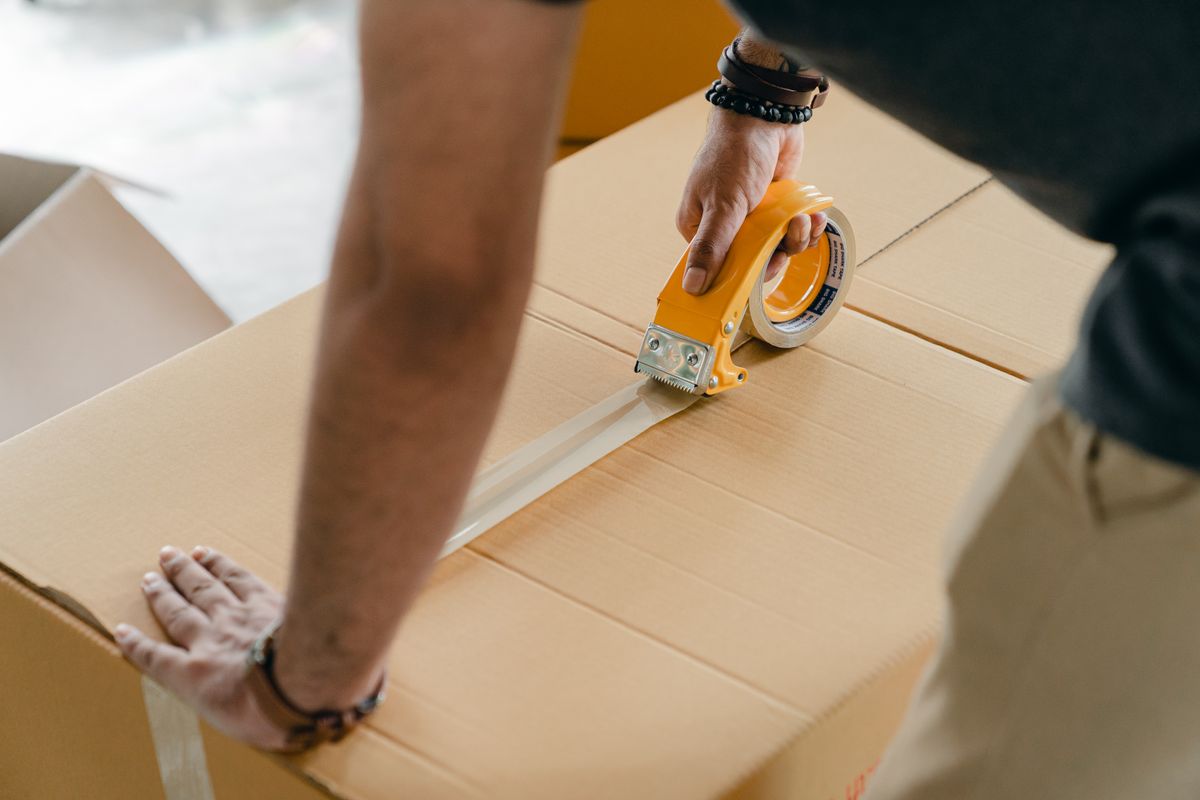
Once packed, cosmetics shipments face a demanding logistics chain: factory to port, sea freight typically 18-25 days from India to the UK or EU, port to warehouse, and then last-mile delivery. Each handoff introduces shock, compression, and humidity exposure.
Points buyers should confirm with their supplier before committing to production:
- ECT (Edge Crush Test) rating. This measures the stacking strength of the board. For palletized sea freight, a minimum of 44 ECT is standard.
- Glue quality. Water-resistant glue on flap seams prevents boxes from opening in the humid conditions typical inside shipping containers.
- Inner fitment security. Inserts must not shift in transit. Slot-fit or glued inserts hold better than loose-fit designs.
- Carton size tolerance. Most Indian exporters work to +/- 3mm. Tighter tolerances are possible on litho-laminate boxes.
- Drop testing. Reputable manufacturers can provide ISTA 1A or ISTA 2A test reports for their standard board grades, which are often required by retail buyers.
Sourcing Factory-Direct from India

India has a large corrugated packaging manufacturing sector with strong export capability. The key clusters for export-grade cosmetics packaging are around Mumbai, Ahmedabad, and the Delhi-NCR region. Factories in these hubs have worked with UK, EU, and US beauty brands and understand the documentation and compliance requirements those markets demand.
Lower cost. Removing the local importer margin reduces per-unit cost, which compounds significantly on annual volumes above 50,000 units.
Customization access. Direct supplier relationships make it easier to develop proprietary box sizes, inserts, and finishes that are not available from domestic stock suppliers.
Faster iteration. Working directly with the factory means sampling cycles are faster - physical samples via courier within 10-14 working days, with digital dielines and 3D mockups within 48-72 hours of initial inquiry.
Capacity flexibility. Indian factories can typically scale from 5,000 units per SKU to several million per year. For brands growing rapidly, this headroom matters.
Sustainable sourcing. Direct access to FSC-certified and recycled board, soy-ink printing, and aqueous coatings - without the markup that intermediaries typically add for eco-positioned options.
Typical lead times for custom orders from India: 25-35 working days for production after artwork approval, plus 18-25 days sea freight to UK or EU ports.
For a comprehensive guide to the import process, including documentation, incoterms, and customs duty, see how to import corrugated boxes from India.
What to Look For in a Cosmetics Packaging Supplier
Not all corrugated box manufacturers are set up for the cosmetics sector. Key indicators of a supplier worth engaging:
- Export experience. Ask specifically for references or case studies from UK, EU, or US cosmetics or beauty brand buyers.
- Print capabilities. Confirm whether litho-laminate, foil, and soft-touch lamination are done in-house or outsourced. In-house capability typically means better quality control and faster timelines.
- FSC certification. If sustainability is a requirement, confirm the factory holds a valid FSC Chain-of-Custody certificate, not just the board mill.
- Sample lead time. A factory that cannot supply physical samples within 2 weeks is likely not geared for responsive export supply.
- QC documentation. Request a copy of their standard quality inspection checklist and any test reports for the board grades they supply.
- Payment terms. Standard terms for India export are 30-50% advance, with the balance against bill of lading or letter of credit.
Is Factory-Direct India Sourcing Right for Your Brand?
Corrugated boxes for cosmetics and beauty products are a specialist category. The combination of fragile contents, premium brand presentation, sustainability requirements, and retail compliance creates specific demands that not every corrugated supplier can meet.
Indian manufacturers with cosmetics export experience can supply the full range - from litho-laminate direct-to-consumer mailer boxes with soft-touch lamination to FSC-certified retail shipper cartons at the volumes and lead times the export market demands.
For beauty brands at growth stage or managing cost pressure on packaging, exploring factory-direct procurement from India is a route worth understanding in detail.
Get in touch with Whizzpack to request samples or discuss your cosmetics packaging requirement.