E-commerce packaging is designed to be opened once and thrown away. A single-use box travels from a warehouse to a doorstep, gets cut open, and ends up in a recycling bin or, more often, a landfill. As return rates climb across categories like apparel, electronics, and subscription goods, more brands are asking a simple question: can the box make more than one trip?
Returnable and reusable packaging is not a new idea, but it has become a practical option for e-commerce brands only in the last few years, as reverse logistics networks matured and reinforced corrugated solutions became easier to source at scale. This guide covers what returnable packaging actually means for an e-commerce operation, how the reverse logistics loop works, and what to specify when ordering reusable corrugated solutions from a manufacturer in India.
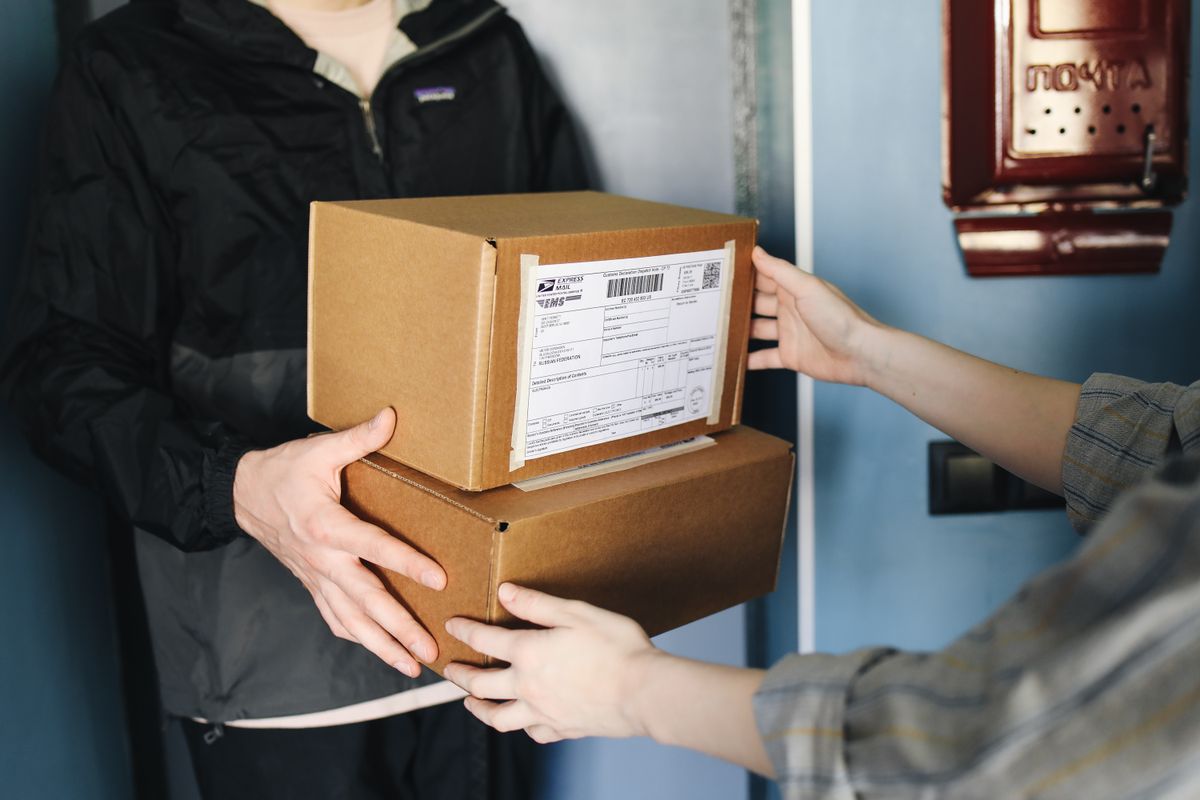 Warehouses processing high return volumes are the natural starting point for a returnable packaging programme - the infrastructure to receive, inspect, and reuse boxes is often already in place.
What Returnable Packaging Actually Means for E-Commerce
"Reusable packaging" covers a range of formats, and it helps to be specific about which one fits your operation:
Reinforced multi-trip corrugated boxes - built with higher ECT (Edge Crush Test) and BCT (Box Compression Test) ratings than a standard single-use box, designed to survive multiple pack-ship-return cycles without losing structural integrity. These look like ordinary boxes but are specified to a higher board grade.
Returnable mailers with reclosable flaps - corrugated or reinforced mailers with a second adhesive strip or tuck-in mechanism, so the same box can be resealed and sent back without new tape or a new box entirely. Common in apparel and footwear, where return rates are highest. Brands sourcing premium non-returnable outbound mailer boxes alongside their returnable programme will find our mailer boxes for subscription brands guide covers E-flute specifications, closure mechanisms, and print quality for premium DTC packaging.
Reusable Plastic Containers (RPCs) - rigid plastic totes used in closed-loop B2B and grocery distribution. These are a different category from corrugated and generally suit high-frequency, short-distance loops (distribution centre to retail store) rather than direct-to-consumer shipping.
Take-back and refill programmes - packaging that a customer is asked to return via a prepaid label or a drop-off point, then reconditioned and reintroduced into circulation. This is the model most associated with "reusable packaging" in consumer-facing sustainability claims.
For most e-commerce brands shipping direct to consumers, the first two categories (reinforced multi-trip boxes and returnable mailers) are the realistic starting point. RPCs and full take-back programmes usually require a level of reverse logistics infrastructure that only larger operations can justify.
How the Reverse Logistics Loop Works
A returnable packaging programme depends on getting the box back, which means reverse logistics has to be designed in from the start, not added afterward.
The basic loop: product ships out in the returnable box → customer either keeps the product and disposes of or reuses the packaging, or returns the product using the same box → the box comes back to a sortation or fulfilment centre → it is inspected for damage → boxes that pass inspection re-enter the outbound flow, and boxes that fail are recycled.
What makes the loop work:
- A clear incentive for the customer to participate - a partial refund, loyalty points, or simply a prepaid return label that makes returning the box no harder than keeping it.
- A board specification that survives the number of trips you are planning for - a box specified for 3-5 trips needs meaningfully higher ECT and BCT ratings than a single-use box of the same external dimensions. See our guide on flute types for how flute selection affects compression strength.
- Inspection capacity at the receiving end - someone or something has to check that a returned box is still structurally sound before it goes back into rotation. For high-volume operations this is often a visual check plus a compression spot-check on a sample basis.
- A recycling path for boxes that fail inspection - reusable packaging is not meant to be reused indefinitely. Standard corrugated board is fully recyclable, so a box retired after its useful trips still has a lower environmental footprint than a single-use equivalent, provided it made more than one trip before retirement.
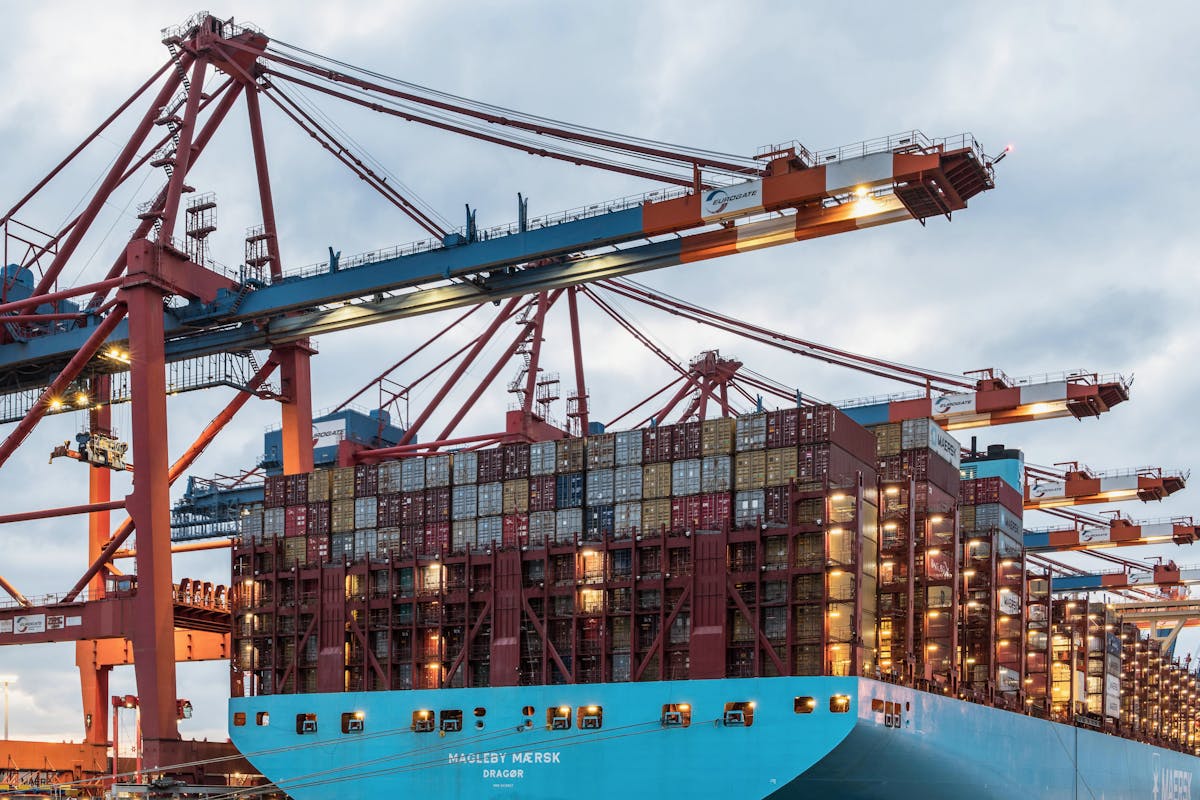 Reverse logistics for reusable packaging works at any distance, but the loop is easiest to manage when the return leg is domestic. Boxes made in India and used for outbound export shipments are typically single-trip; reuse programmes work best within the destination market's own distribution network.
Reusable Corrugated Solutions You Can Order from India
Indian corrugated manufacturers can produce reinforced, multi-trip board without significant lead time or cost differences from standard export boxes. The specification differences that matter are:
Higher ECT and BCT ratings. A single-use export box might be specified at ECT 32. A box intended for multiple trips should be specified at ECT 44 or higher, with a BCT rating tested for the stacked weight and number of expected reuse cycles. Ask your manufacturer for BCT test data at the specific dimension and weight you are shipping, not a generic board-grade claim.
BC or double-wall flute construction. Single-wall C flute is adequate for one-way shipping of light to medium products, but multi-trip boxes benefit from BC double-wall construction, which holds its shape and crush resistance better across repeated handling. See our double-wall corrugated boxes page for specifications.
Reinforced corners and reclosable flap systems. A returnable mailer needs either a second strip of tape-activated adhesive under a peel-off liner, or a interlocking tuck-flap design that does not rely on tape at all for the return trip. Both are standard tooling for an experienced corrugated manufacturer, but you need to specify it explicitly - a standard RSC die will not include a return-flap mechanism unless requested.
Recycled and FSC-certified board. Reusable packaging and recycled content are complementary, not competing, sustainability strategies. A multi-trip box made from FSC-certified board with high recycled fibre content in the liner delivers a lower environmental footprint on both dimensions: fewer boxes produced per unit shipped, and each box made from more responsibly sourced material. Ask for FSC chain-of-custody certification if this claim matters to your brand's sustainability reporting.
Reducing Packaging Waste Without Compromising Protection
The most common concern brands raise about reusable packaging is that reinforcing a box for multiple trips will make it heavier, bulkier, or more expensive to ship than necessary. In practice, the right-sizing conversation usually offsets this:
Right-size before you reinforce. A box that is oversized for its product wastes material on every trip, reusable or not. Before specifying a multi-trip board grade, confirm the box dimensions are as close to the product's actual footprint as your void-fill strategy allows. A correctly sized, reinforced box is often lighter overall than an oversized single-use box with excess void fill.
Match the reinforcement to the actual number of trips. Not every SKU needs a five-trip box. High-return categories (apparel, footwear) justify heavier reinforcement. Lower-return categories may only need a one-step-up board grade to survive a single return cycle, without the cost and weight of full multi-trip specification.
Track return-and-reuse rates, not just return rates. A packaging programme's environmental and operational value depends on how many boxes actually complete a second trip, not how many are technically returnable. Brands running early reusable packaging programmes typically find that participation rates need active management - clear instructions, an easy return process, and a visible incentive - before the loop delivers real material savings.
 Quality control at the board level determines whether a reinforced box will actually survive multiple trips. Request BCT test data specific to your dimensions and target trip count, not a generic board-grade claim.
Getting Started: What to Ask a Manufacturer
If you are moving from single-use to returnable or reinforced packaging, bring the following to your first conversation with a corrugated manufacturer:
Your current box dimensions and product weight, plus the number of return or reuse trips you are targeting.
Whether you need a standard RSC reinforced for durability, or a returnable mailer with a reclosable flap system.
Your sustainability reporting requirements - if FSC chain-of-custody certification or a specific recycled content percentage needs to appear on a compliance document, confirm the manufacturer can supply it in writing.
A request for BCT test data at your specific dimensions, not just a generic ECT rating for the board grade.
For related sourcing background, our guide on India packaging lead times and shipping covers how to plan a first order and reorder cycle around sea freight transit times.
Whizzpack manufactures reinforced and standard corrugated boxes at our factory in Rajkot, Gujarat, including BC double-wall construction suitable for multi-trip specifications, with ECT and BCT test certificates supplied on request. If you are evaluating a returnable packaging programme for your e-commerce operation, visit our corrugated boxes page to discuss your specification and start the sample process.