Ordering samples from an Indian cotton bag manufacturer is not the same as ordering a sample from a UK or US supplier. The lead time is longer, the communication may span time zones, and the physical sample is your one chance to validate everything before production locks in. Buyers who skip or rush this step frequently receive bulk orders that are close but not right - and close is expensive when you are 12 weeks and a container freight bill into the process.
This guide walks through sample ordering for cotton bags for seeds from India: what to write in the sample brief, how long to expect the process to take, what to check when samples arrive, and how to give approval feedback that results in a bulk production run that matches what you approved.
Why Pre-Production Samples Are Non-Negotiable
A pre-production sample is a bag made specifically to your specification before any bulk production begins. It is distinct from a stock sample (a bag the manufacturer already produces) or a digital proof (a rendering on screen).
The pre-production sample answers questions that cannot be answered any other way:
- Is the fabric weight actually 160 GSM as specified, or is it 140 GSM in practice?
- Does the print colour match the Pantone reference, or does the cotton fabric absorb the ink differently than the proof suggested?
- Does the drawstring cord sit correctly in the channel, or does it bunch?
- Does the bag hold its shape when filled to the intended weight?
- Are the seams strong enough for the handling this bag will receive?
Each of these is a specification that looks correct on paper but may require physical verification. The sample stage is where you discover the gaps between the spec and the reality of production.
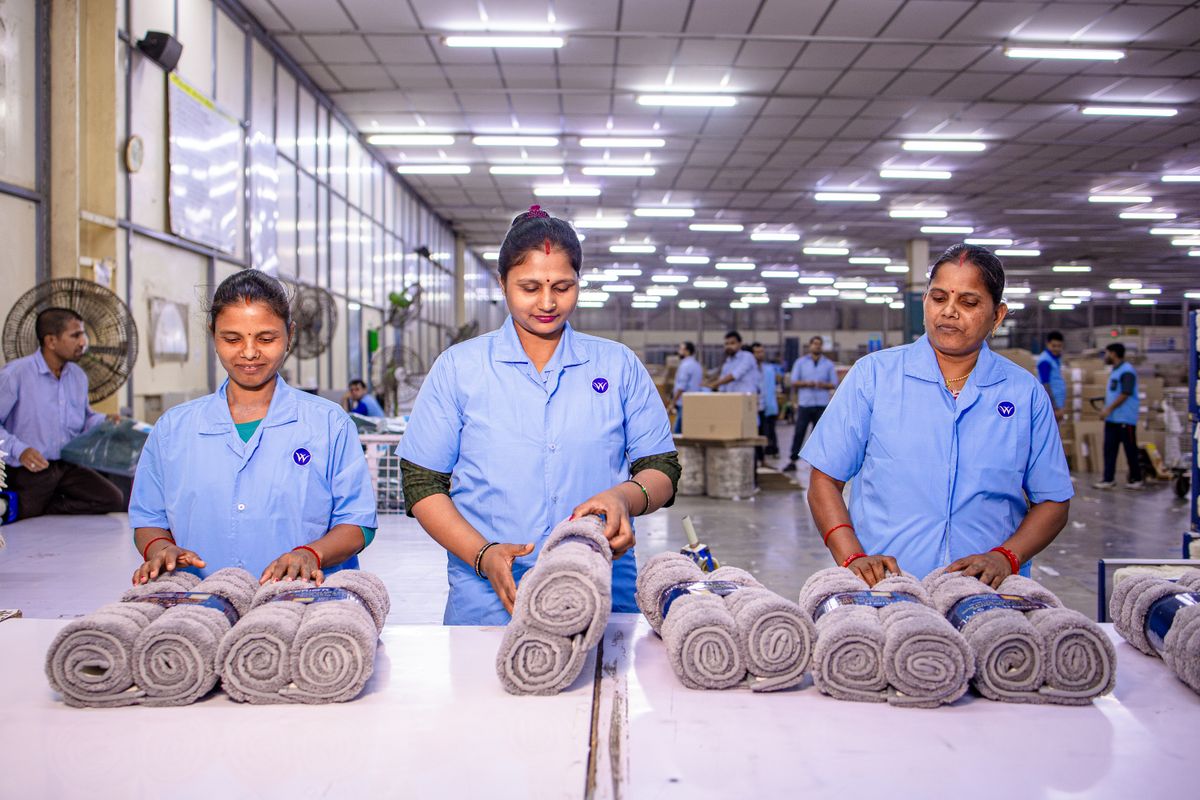 Quality inspection at the factory level is the supplier's responsibility. Pre-shipment inspection by a third-party agency is the buyer's responsibility. Pre-production sampling sits between the two: it is a collaborative process that gives the buyer direct visibility into what the production run will deliver.
Step 1: Write a Complete Sample Brief
The sample brief is the document you send to initiate the sample process. The more complete it is, the less back-and-forth you will have and the more likely the first sample will be close to what you need.
A complete sample brief covers:
Bag specification:
- Fabric weight (GSM) and tolerance: e.g. 160 GSM +/- 10 GSM
- Weave type: muslin, twill, or canvas
- Colour: natural unbleached, bleached white, or a specific Pantone reference
- Dimensions: width x height (state whether these are finished or cut dimensions)
- Closure type: drawstring, open hem, or tie-top
- Cord type: natural cotton cord, state diameter (3 mm or 5 mm)
- Thread type: natural cotton throughout (specify if important)
- Seam construction: double-stitched sides
Print specification (if applicable):
- Number of print colours
- Print placement (front only, front and back)
- Print area dimensions
- Artwork file in vector format (AI, EPS, or PDF with embedded fonts)
- Pantone colour references for each colour
- Ink type: water-based preferred if eco-friendly positioning matters
Certifications required:
- OEKO-TEX Standard 100, GOTS, or none
Sample quantity: Request 3 to 5 samples of each size and specification. This gives you enough to run fill trials, photograph for internal review, and provide to any retailer buyers who request physical samples before placing a range.
Reference samples (if you have them): If you have a competitor's bag or a previous sample that is close to what you want, send it to the supplier by courier. A physical reference is clearer than any written description of what "medium weight" or "natural texture" means.
Step 2: Understanding What the Supplier Will Send
A pre-production sample typically includes:
An unprinted bag sample: Produced in the specified fabric, weight, and dimensions so you can verify the physical construction, material, and size before print proofing begins.
A print proof (strike-off): For custom-printed bags, the supplier prints one or two bags and photographs them for your digital approval before printing the sample set. This is your opportunity to check colour accuracy. Approve the strike-off before asking for the full sample set.
A printed sample set: Once the strike-off is approved, the supplier produces the agreed sample quantity in the final printed specification.
Some factories combine these steps and send a fully printed sample set as the first submission. This is faster but means you have less opportunity to catch print issues before the full sample is made. For detailed or multi-colour designs, ask for a strike-off first.
Step 3: Sample Turnaround Time
For a first-time sample from an Indian manufacturer, allow:
- 3 to 5 days for the factory to receive your brief and prepare material
- 7 to 15 working days for sample production (unprinted bags are faster; printed samples with a new screen setup take longer)
- 3 to 5 days for courier transit to the UK or US (most Indian factories use DHL, FedEx, or Aramex for sample shipments)
Total: 3 to 5 weeks from brief submission to samples in your hands.
If you request revisions after the first sample, allow another 2 to 3 weeks for a revised sample set.
Plan your sample timeline backwards from your required production delivery date. A first bulk shipment to the UK typically takes 14 to 16 weeks from the point of sample approval (production, packing, sea freight, customs clearance). Start the sample process at least 20 weeks before you need the goods in your warehouse for a peak season.
Step 4: What to Check When Samples Arrive
Physical inspection checklist:
Fabric weight: The easiest way to check GSM at home is to cut a precise 10 cm x 10 cm square from the bag fabric (avoiding seams), weigh it on a precision scale in grams, and multiply by 100. The result is the GSM. A 160 GSM bag should produce a 10 cm square weighing 1.6 grams. Tolerance of +/- 10% is standard.
Dimensions: Measure the finished bag (not the cut fabric) with a ruler. Width and height should match the specified finished dimensions within 1 to 2 cm.
Seam construction: Inspect the seams under good light. Check for:
- Consistent stitch density (no skipped stitches)
- Even seam allowance throughout
- No fraying or loose threads at seam ends
- Double stitching where specified
Drawstring: Thread the drawstring to its fully closed position and fully open position. Check:
- The cord slides smoothly through the channel
- The channel is wide enough for the cord without bunching
- The cord ends are finished (knotted or whipped) to prevent unravelling
- Cord material is as specified (natural cotton, not nylon)
Print accuracy: Compare the printed sample against the Pantone reference swatches specified in the brief. Check for:
- Colour accuracy against the Pantone chip (note that cotton fabric absorbs ink differently than paper - a slight shift is expected, but it should be agreed in the strike-off approval)
- Print registration (all elements in the correct position relative to each other)
- Coverage consistency across the print area (no patchy coverage)
- Ink wash-fastness (wet your finger and rub the print surface; ink should not transfer to your finger)
Fill trial: Fill the bag to the intended weight and volume with the actual seed type you intend to package. Close the drawstring. The bag should:
- Close fully without strain on the cord
- Hold its shape without bulging at the seams
- Be comfortable to carry if it will be handled by customers
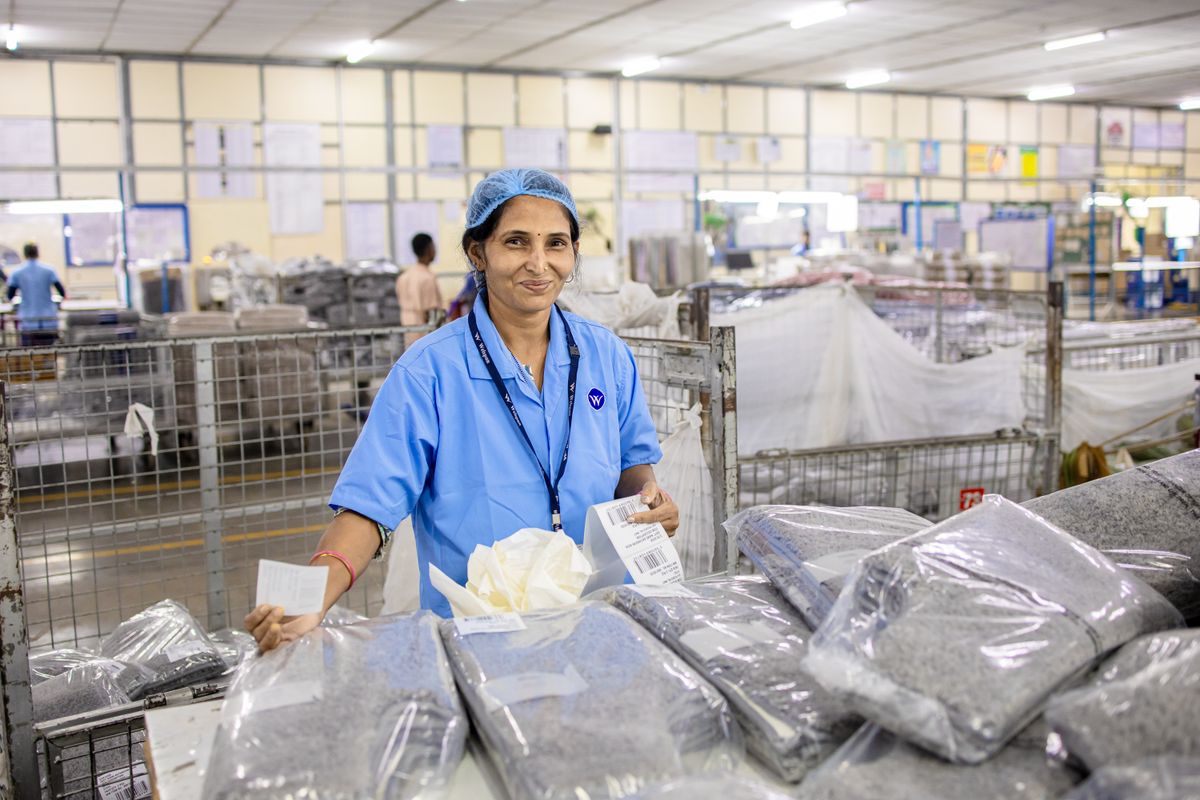 Factory-level quality checking covers production consistency and finish. Your own physical inspection on sample arrival is a different kind of check: it confirms the specification was correctly understood and that the bag works as intended for your specific seed product.
Step 5: Giving Feedback and Approving
If changes are needed:
Document every issue clearly with photographs and measurements. Describe each issue in terms of what is wrong and what the correct outcome should be:
- Not "the colour is wrong" - but "the green is too yellow. It should match Pantone 364 C, not Pantone 375 C. Please re-confirm the Pantone reference before the next sample."
- Not "the bag is too small" - but "the finished width is 14 cm but we specified 18 cm. Please confirm finished dimensions and supply a revised sample at 18 x 24 cm finished."
- Not "the seams don't look right" - but "the side seams show single stitching but we specified double-stitched. Please confirm double stitching on the revised sample."
Send feedback in writing, numbered by issue. Request confirmation that each issue has been understood before the revised sample enters production.
If the sample is approved:
Send a written approval confirming:
- The specific sample set (state the date you received the samples and any reference number the supplier assigned)
- That bulk production should proceed to the approved specification
- The quantity, size breakdown, and delivery requirements for the bulk order
The approved sample set is your production benchmark. Keep at least two samples in a sealed bag with the approval date written on the outside. These are your reference if a quality dispute arises on bulk receipt.
After Approval: Pre-Shipment Inspection
Once you have approved samples and bulk production is underway, consider arranging a pre-shipment inspection (PSI) through a third-party inspection agency such as SGS, Bureau Veritas, or Intertek.
A PSI inspector visits the factory during the final days of production, before the container is packed. They check:
- Quantity produced against the purchase order
- Random sample quality against the approved sample
- Packing and labelling for export
- Container condition and loading
For a first order from a new supplier, a PSI provides a layer of assurance that the factory has maintained the approved specification across the full production run. The inspection cost is a small fraction of the order value and significantly reduces the risk of discovering a quality problem only when the container arrives at your warehouse.
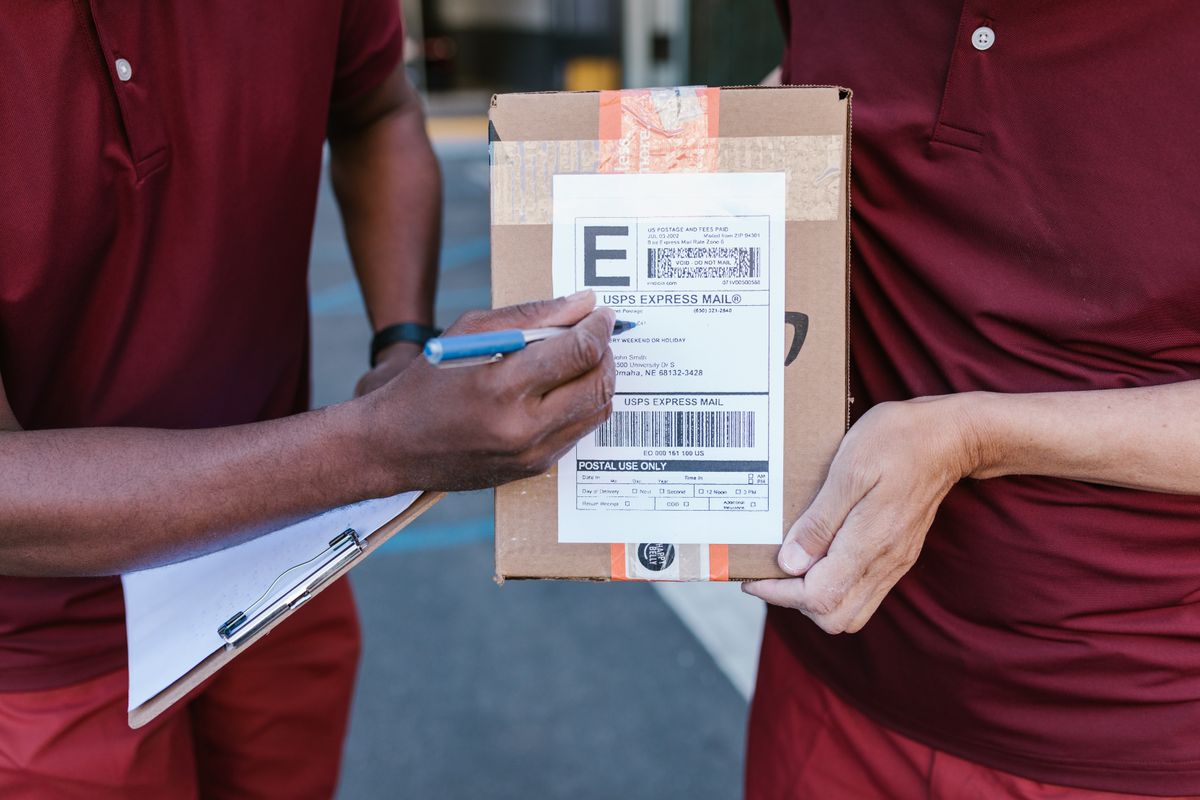 Samples shipped from Indian manufacturers typically arrive via international courier in 3 to 5 working days. A clear sample brief reduces revision rounds - the best first samples arrive with most specifications already correct.
Further Reading
For the upstream context on how the sourcing process works from inquiry to bulk delivery, see our guide to sourcing cotton bags for seeds from India.
For the technical specification decisions you need to make before your sample brief, see our cotton bag sizes and specifications guide.
Whizzpack produces pre-production samples for all custom Cotton Bag for Seeds orders. Our standard sample lead time is 10 to 15 working days for printed bags, with DHL courier dispatch. To start your sample process, contact us at contact@whizzpack.in or visit our cotton bags for seeds page to send an inquiry.