Most inquiries for cotton bags for seeds arrive with incomplete specifications. A buyer sends "natural cotton drawstring bag, medium size" and expects a quote. What they actually need is a document that covers fabric weight, weave type, bag dimensions, seam construction, drawstring material, thread type, and print requirements. The gap between a vague inquiry and a clear specification is where most sourcing problems start.
This guide is for seed companies and agricultural buyers in the UK and US who want to nail their spec before engaging a supplier. A complete specification on the first inquiry shortens the sample process, reduces back-and-forth, and results in a first bulk shipment that matches what was ordered.
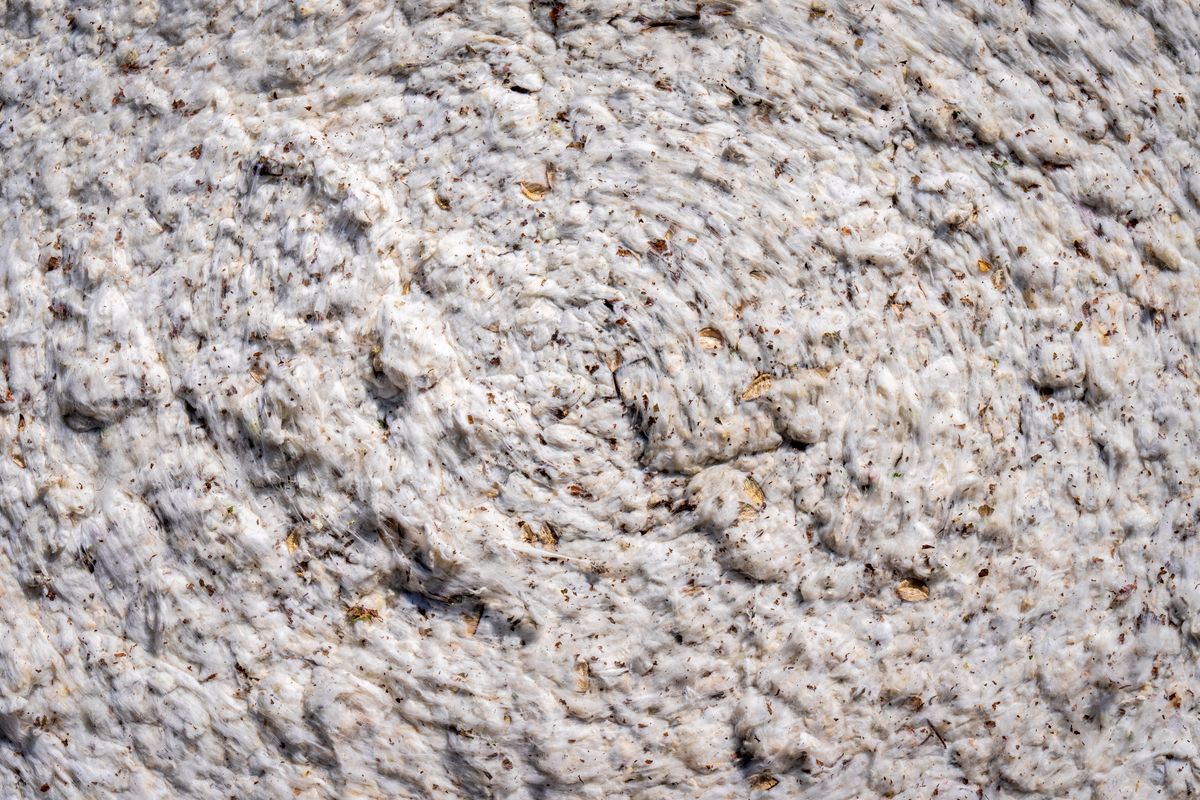 Raw cotton fibre is the base material for all Cotton Bags for Seeds. The fibre quality, spinning consistency and weave type are the primary determinants of how the finished bag performs in storage and at point of sale.
Fabric Weight (GSM): The First and Most Important Decision
GSM stands for grams per square metre. It is the standard measure of fabric weight in the textile industry and the single most important specification for a cotton bag.
Getting GSM right matters because:
- Too light and the bag lacks structure, tears easily, and does not hold shape on a retail shelf
- Too heavy and the bag is unnecessarily costly and bulky for small seed volumes
- Wrong GSM means samples fail to match expectations, adding weeks to the approval process
Practical GSM guide for cotton bags for seeds:
| GSM Range | Fabric Type | Best Application |
|---|---|---|
| 80 to 110 | Muslin, cheesecloth | Small herb seeds, wildflower seeds, retail gift sachets |
| 120 to 160 | Light canvas, medium twill | General vegetable seeds, mid-range retail bags |
| 160 to 200 | Canvas, drill | All-purpose seed bag, farm storage, retail stand-alone |
| 200 to 280 | Heavy canvas, duck canvas | Large seeds (beans, squash, corn), bulk farm sacks |
For most seed companies serving retail garden channels in the UK and US, a 150 to 180 GSM twill or canvas is the most versatile specification. It prints cleanly, holds its shape without stiffening, and has enough weight to feel substantial in a customer's hand.
For agricultural seed distributors moving bulk volumes of large-seed crops, 200 to 250 GSM canvas or drill provides the structural integrity needed for multi-use handling.
Weave Types Explained
The weave type affects breathability, print registration, surface texture and structural integrity. The three most common weaves for Cotton Bags for Seeds are:
Muslin / Cheesecloth (plain weave, open structure) Very lightweight and highly breathable. The open weave allows maximum air circulation, which benefits long-term seed storage but provides minimal protection against dust, insects, or handling abrasion. Used for sample pouches, retail sachets, and gift packaging where aesthetics and breathability matter more than durability.
Twill (diagonal weave) The most widely used weave for seed bags in the 120 to 200 GSM range. Twill has a characteristic diagonal texture and provides a good balance of breathability, durability, and print surface. The weave holds ink well for screen printing and produces consistent colour across a production run.
Canvas / Duck (tight plain weave) Heavier and more tightly woven than muslin or twill. Canvas fabric has excellent structural integrity and wear resistance, making it suitable for farm sacks and bags that will be opened, handled, and reused repeatedly. Surface texture is less consistent for fine-detail screen printing but adequate for 1 to 2 colour designs.
For multi-season farm use, canvas is the right choice. For retail seed bags that carry brand printing and need shelf presence, twill gives the most consistent result.
Bag Dimensions: Matching Size to Seed Type
The right bag dimension depends on the seed variety, the fill weight, and the intended end use.
Standard production sizes (width x height, before drawstring):
| Format | Typical Dimensions | Seed Application |
|---|---|---|
| Small pouch | 8 x 12 cm to 12 x 16 cm | Fine seeds (carrot, lettuce, herb), wildflowers |
| Medium drawstring | 14 x 20 cm to 18 x 24 cm | Tomato, pepper, flower seeds |
| Large drawstring | 22 x 32 cm to 28 x 38 cm | Pea, bean, sweetcorn, sunflower |
| Bulk sack | 35 x 50 cm to 50 x 70 cm | Grain seed, bulk agricultural seed |
When specifying dimensions, clarify whether you are giving finished dimensions (the usable bag opening) or cut dimensions (the fabric before stitching). Cut fabric is typically 2 to 3 cm wider and 4 to 6 cm taller than the finished bag to allow for seam allowances and the drawstring channel.
Fill weight is also a useful cross-check. Ask your supplier what fill volume (in litres) and fill weight (in grams or kilograms) each bag dimension comfortably holds for the seed type you are packaging.
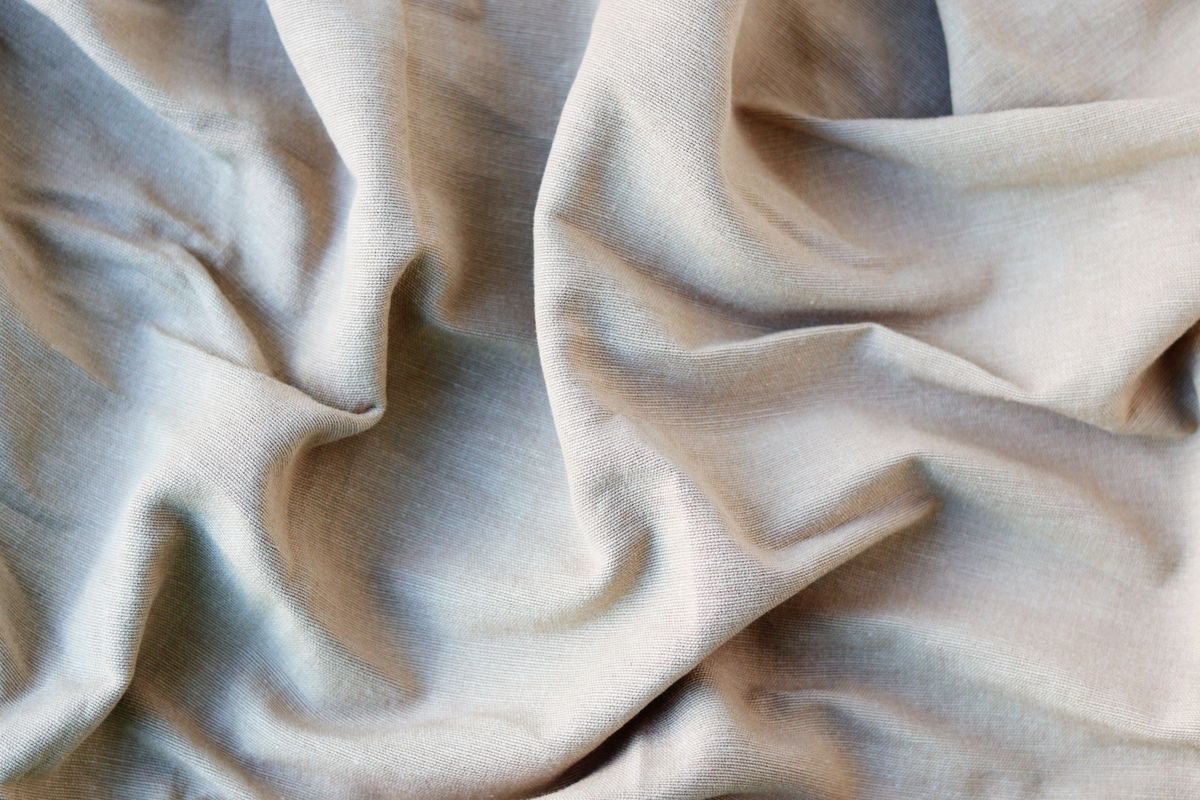 Unbleached natural cotton maintains its off-white colour without chemical processing. For seed brands positioning around organic or eco-friendly credentials, natural unbleached fabric paired with water-based inks provides the most defensible sustainability claim.
Closure Types
Drawstring (most common) A cotton cord threaded through a channel at the top of the bag allows the opening to be pulled closed and reopened without damaging the bag. Drawstring bags are the most common format for retail seed packaging because customers can open and reseal them easily.
Two-cord drawstring (cords on opposite sides through separate channels) provides a more secure and symmetrical closure than a single-cord design. Specify this for premium retail bags.
Open hem / flat-top A bag with a sewn hem at the top and no closure. Used for bags that will be heat-sealed after filling, or for bags where the customer will be expected to fold and pin the top. Common in agricultural bulk applications.
Tie-top with cotton tape A flat cotton tape tied around the neck of the bag rather than threaded through a channel. Used for certain branded artisan seed products where the tie is part of the aesthetic.
For most UK and US seed companies, the standard two-cord cotton drawstring is the correct specification. Confirm with your supplier that the cord is natural cotton, not nylon or polyester: nylon cord undermines an eco-friendly or organic positioning and is not compatible with GOTS or OEKO-TEX certified bag specifications.
Thread and Seam Construction
The stitching thread and seam type affect both durability and certification compliance.
Thread material: Specify natural cotton thread throughout. Polyester thread is stronger and cheaper, but it does not biodegrade alongside the bag and is not consistent with OEKO-TEX or GOTS certified specifications. For bags sold as biodegradable or organic, any synthetic component in the thread creates a compliance gap.
Seam construction: Double-stitched side seams are standard for seed bags carrying any significant fill weight. Single-stitched seams are adequate for very lightweight retail pouches. For bulk agricultural sacks, reinforced seams with double rows of stitching or bar-tack reinforcement at stress points extend the working life significantly.
Seam allowance: A minimum 1 cm seam allowance is standard. Narrower seam allowances save fabric but reduce seam strength. Specify 1.5 cm seam allowance for bags that will be repeatedly filled and emptied in agricultural use.
Print Specification (for Custom Printed Bags)
If you need custom printing, include these details in your specification:
- Number of print colours (1, 2, 3, or 4)
- Print placement: front only, front and back, or all-over
- Print area dimensions in centimetres
- Pantone colour references for each colour (do not rely on on-screen colour matching)
- Whether print must be on the same side as the drawstring opening or on the base panel
- Ink type requirement: water-based or low-VOC inks if eco-friendly positioning matters
Screen printing is the standard method for cotton bags and delivers durable, wash-resistant results for 1 to 4 colour designs. For a complete overview of print methods and lead times, see our custom printed cotton bags for seeds guide.
Putting the Specification Together
A complete specification for cotton bags for seeds should cover:
- Fabric weight: GSM value and tolerance (e.g. 160 GSM +/- 10 GSM)
- Weave type: muslin, twill, or canvas
- Colour: natural unbleached, bleached white, or dyed (Pantone reference)
- Bag dimensions: width x height (finished), with clarification of whether these are finished or cut dimensions
- Closure type: drawstring, open hem, or tie-top
- Cord material: natural cotton cord, specified diameter (typically 3 mm or 5 mm)
- Thread material: natural cotton thread throughout
- Seam construction: double-stitched sides with x cm seam allowance
- Print details: number of colours, placement, Pantone references, ink type
- Certifications required: OEKO-TEX Standard 100, GOTS, or none
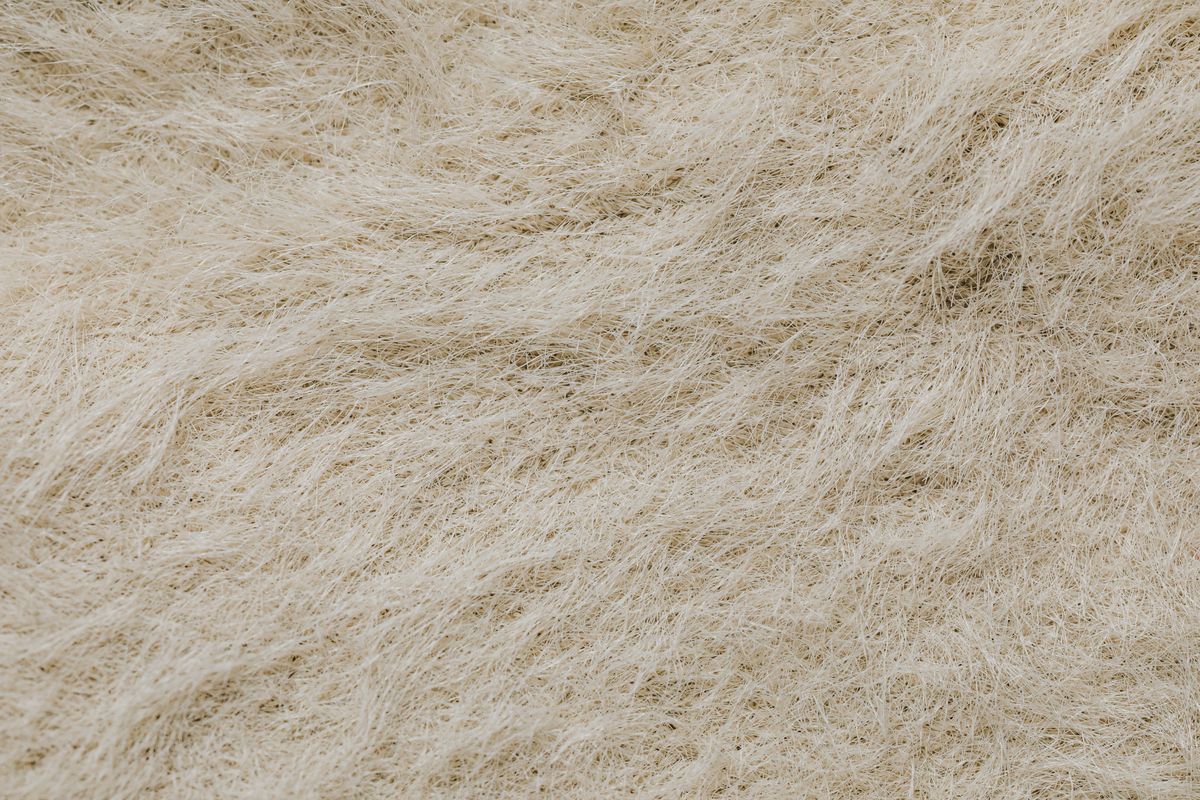 Natural canvas fabric at 200+ GSM provides the structural integrity needed for bulk agricultural seed bags. The tight weave resists tearing and abrasion through repeated filling and handling cycles.
Common Specification Mistakes
Specifying dimensions without fill volume context. A bag that looks the right size in a drawing may be too small once the actual seed density is accounted for. Confirm with a fill trial on the sample.
Not specifying cord material. Many Indian manufacturers default to nylon or polyester cord because it is cheaper and more readily available. If you want natural cotton cord throughout, state it explicitly.
Using generic colour descriptions instead of Pantone references. "Forest green" means different things to different factories. Pantone 364 C is unambiguous.
Omitting print tolerances. Screen printing on fabric has registration tolerances of 2 to 3 mm on a standard run. If your design has elements that must align precisely across the bag panel, discuss this with your supplier before production starts.
For guidance on ordering samples to verify your specification before committing to bulk, see our sample ordering guide for cotton bags for seeds.
Whizzpack manufactures Cotton Bags for Seeds to custom specifications in Rajkot, Gujarat, for seed companies and agricultural buyers across the UK and US. We produce bags in fabric weights from 80 GSM muslin to 280 GSM heavy canvas, with natural cotton drawstrings, OEKO-TEX compliant and GOTS certified options, and full custom screen printing. Contact us at contact@whizzpack.in or visit our cotton bags for seeds page to discuss your specification and request samples.