Seed companies that want to make sustainability claims about their cotton packaging run into GOTS and OEKO-TEX within minutes of researching the topic. Both certifications appear frequently in supplier claims and buyer requirements. Both are legitimate. But they certify different things, sit at different points in the supply chain, and serve different market needs.
Specifying the wrong certification to an Indian supplier wastes time, can make your supply chain audit fail, and can expose you to consumer protection issues if you make claims the certification does not support.
This guide explains what each certification actually covers, which markets and end users require each one, and how to verify that a supplier genuinely holds the certification they claim.
What GOTS Certifies
GOTS stands for Global Organic Textile Standard. It is the leading standard for organic cotton textiles and covers the entire supply chain from raw cotton fibre to the finished product.
What GOTS certifies:
- The cotton fibre itself was grown organically, without synthetic pesticides or fertilisers, and comes from a certified organic farm
- Every stage of processing (ginning, spinning, weaving, dyeing, finishing, cut-and-sew) was carried out by a certified facility under GOTS oversight
- The inputs used during processing (dyes, chemical finishes, treatments) meet strict limits on prohibited substances
- The finished product can be labelled "organic" with the GOTS mark
What GOTS does NOT certify:
- That the finished bag is free from harmful substances at a specific threshold level (that is OEKO-TEX's role)
- Any claim about the end use of the product
GOTS certification is chain-of-custody. Every facility in the supply chain must hold its own GOTS certificate. A finished cotton bag can only carry GOTS certification if the cotton farm, the spinning mill, the weaving mill, the dye house, and the bag manufacturer are each independently certified. This makes GOTS-certified cotton bags more expensive and more limited in supply than OEKO-TEX certified bags.
The certification is audited and renewed annually. Certificates are publicly searchable at the GOTS database at global-standard.org.
What OEKO-TEX Standard 100 Certifies
OEKO-TEX Standard 100 certifies the finished textile product, not the production method or supply chain. It tests the finished bag (fabric, thread, cord, dye, finishing treatments) against a list of more than 100 harmful substances and verifies that none exceed regulatory limits for consumer safety.
What OEKO-TEX Standard 100 certifies:
- The finished bag contains no harmful substances (pesticide residues, heavy metals, formaldehyde, azo dyes, pH outside safe range, and others) above specified threshold limits
- The product is safe for skin contact
What OEKO-TEX Standard 100 does NOT certify:
- That the cotton was grown organically
- That the production process was environmentally responsible
- Anything about the supply chain upstream of the finished product
OEKO-TEX Standard 100 is product-level certification. A factory that dyes fabric with OEKO-TEX compliant dyes and uses OEKO-TEX tested thread produces an OEKO-TEX certified finished bag, regardless of whether the underlying cotton was conventionally or organically grown.
Certificates are searchable at oeko-tex.com using the certificate number. Always verify the certificate number against the database before accepting a supplier claim.

Comparing GOTS and OEKO-TEX Side by Side
| Factor | GOTS | OEKO-TEX Standard 100 |
|---|---|---|
| What it covers | Entire supply chain from organic cotton fibre | Finished product safety testing |
| Organic cotton required | Yes - mandatory | No - conventional cotton acceptable |
| Prohibited substance testing | Yes, as part of certification | Yes, core requirement |
| Supply chain transparency | Full chain-of-custody audit | Factory-level, no upstream requirement |
| Consumer labelling allowed | Yes - "organic" with GOTS mark | Yes - OEKO-TEX label on product |
| Availability from Indian suppliers | Limited - fewer certified factories | Widely available |
| Renewal cycle | Annual | Annual |
| Verification database | global-standard.org | oeko-tex.com |
Which Certification Do UK Seed Brands Need?
The answer depends on what claims you are making and who your customers are.
GOTS is required if:
- You are selling under an organic certification scheme (for example, Soil Association in the UK, or any scheme requiring organic supply chain integrity for packaging materials)
- Your retailer or buyer specifically requires GOTS certification on textile packaging
- You want to use the word "organic" to describe the bag itself in marketing or on-pack
- You are selling to premium natural/organic retail channels that audit supplier certifications
OEKO-TEX is sufficient if:
- You need to demonstrate the bag is safe for consumer contact and free from harmful chemicals, without making an organic claim
- Your retail buyer requires certification but has not specified GOTS
- You are selling through mainstream garden retail where OEKO-TEX certification satisfies the compliance requirements for textile packaging
- You want to make safety and eco-friendly claims without the cost premium and supply chain complexity of GOTS
The majority of UK seed companies selling through garden centres, farm shops, and online direct-to-consumer do not require GOTS. OEKO-TEX Standard 100 satisfies the compliance requirements of most UK retail buyers for textile-based packaging and allows credible eco-friendly positioning without the supply chain constraints of GOTS.
The exception is any operation with Soil Association organic certification or similar, where the certifier may specify requirements on packaging inputs. Check with your certifier before specifying one standard over the other.
Which Certification Do US Seed Brands Need?
GOTS is required if:
- You sell under USDA NOP (National Organic Program) certification and your certifier has identified the bag as a prohibited material unless it meets organic fibre requirements
- Your retail buyer (a natural food chain, an organic specialty retailer) requires GOTS specifically
- You are making "organic cotton bag" claims in US consumer marketing
OEKO-TEX is sufficient if:
- You need a credible certification for eco-friendly positioning without organic supply chain requirements
- You sell through mainstream garden retail in the US (Home Depot garden, Lowe's garden, nurseries) where OEKO-TEX is recognised but GOTS is rarely required
- You want to show your packaging is free from harmful chemicals for bags used with edible seed varieties
In practice, most US seed companies selling into mainstream retail channels use OEKO-TEX certified cotton bags and make no organic claim about the packaging. GOTS is a requirement primarily for certified organic operations and specialist organic retailers.
For a detailed breakdown of how organic certification affects your entire seed packaging approach, see our organic cotton bags for seeds guide.
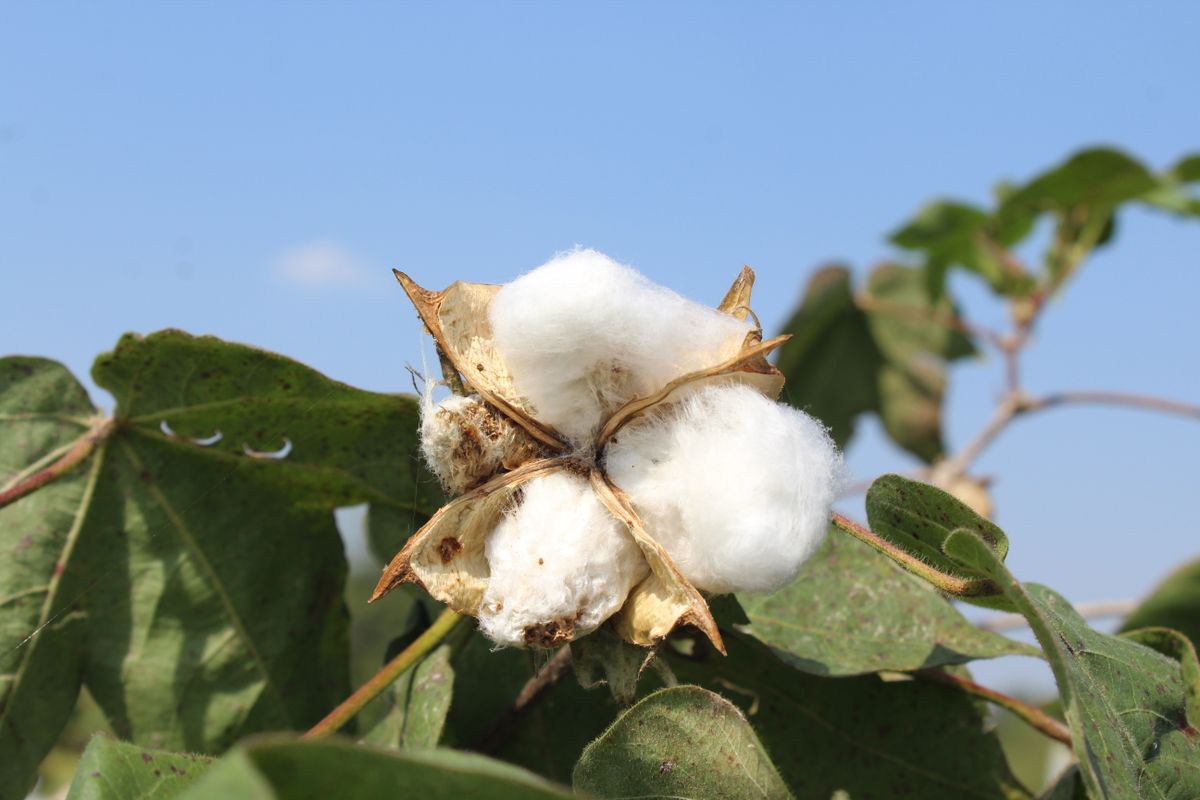 India is one of the world's largest producers of organic cotton and a leading source of GOTS-certified cotton textiles. Gujarat manufacturers with GOTS certification provide the full supply chain documentation required by UK and US organic certification bodies.
What Certification Documentation You Should Receive
For GOTS:
- A current GOTS certificate for the manufacturer (verify at global-standard.org). The certificate lists the certified product categories - confirm cotton bags are included.
- A Transaction Certificate (TC) for each shipment. The TC is issued by the GOTS certification body and confirms that the specific production run is certified. Without a TC, the shipment itself is not certified even if the factory holds a GOTS certificate.
- Scope Certificate listing the specific processes covered.
For OEKO-TEX Standard 100:
- A current OEKO-TEX Standard 100 certificate for the manufacturer (verify at oeko-tex.com). Check the certificate number and expiry date.
- The certificate lists the product category and which product classes are covered (Class I is for baby products, Class II for skin contact, Class III for non-skin contact). Cotton Bags for Seeds typically fall under Class II.
- A product label with the OEKO-TEX Standard 100 mark if you want to apply the label to finished bags.
In both cases: do not accept a certificate that is expired, that does not cover the specific product you are buying, or that the supplier will not let you verify in the public database.
Questions to Ask Your Supplier
Before specifying a certification:
- Do you currently hold a GOTS certificate? Provide the certificate number and expiry date.
- Can you provide a Transaction Certificate for this production run?
- Does your GOTS certificate cover finished cotton bags, or only yarn or fabric?
- Do you hold OEKO-TEX Standard 100 certification? For which product class?
- If I require GOTS, what is the lead time and price impact compared to your standard specification?
- Can you provide certified bags for some SKUs and standard bags for others in the same order?
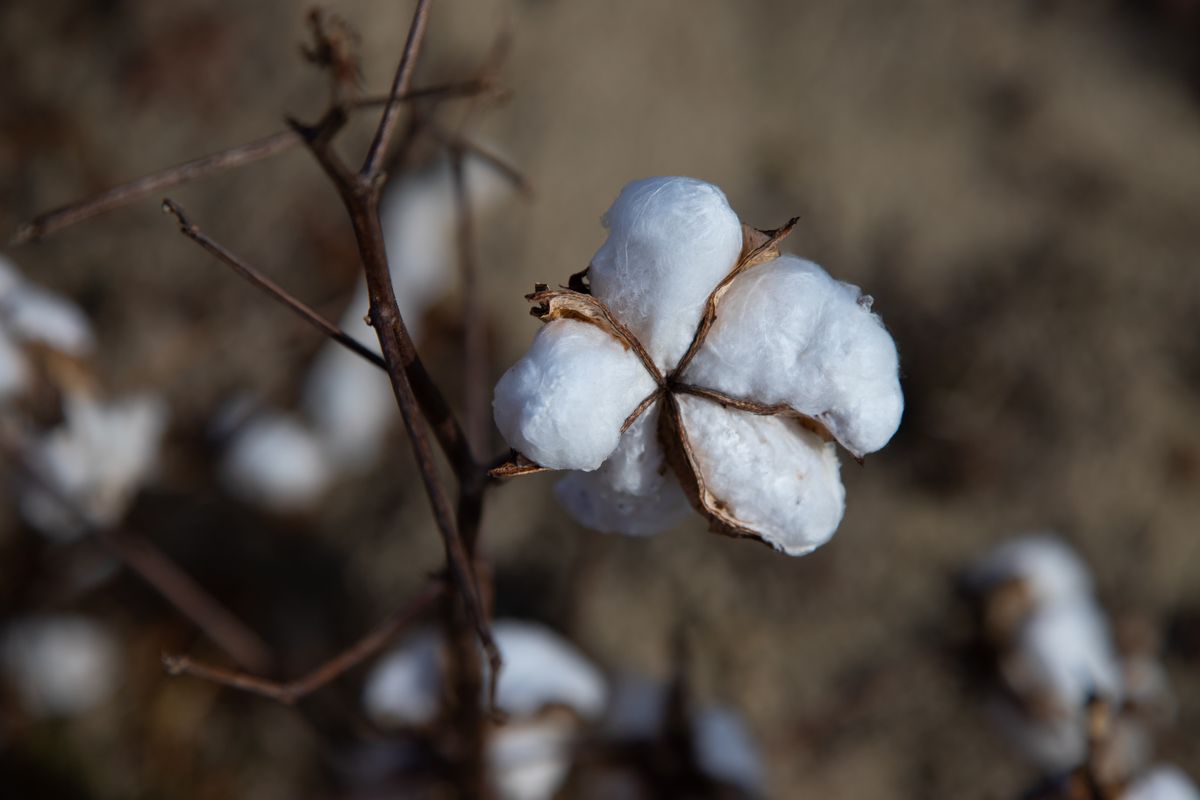 GOTS certification starts at the cotton farm. For Indian-produced cotton bags, the GOTS supply chain documentation traces back to organic-certified farms in states like Gujarat and Madhya Pradesh.
A Note on Combined Claims
Some buyers ask for bags that are both GOTS certified and OEKO-TEX tested. This is possible - GOTS certified bags can also undergo OEKO-TEX testing - but it is rarely necessary because GOTS already includes chemical testing requirements stricter than OEKO-TEX in several categories.
If your primary concern is organic provenance and supply chain integrity: specify GOTS and ask for TCs.
If your primary concern is consumer safety and harmful substance limits: specify OEKO-TEX Standard 100.
If you need to satisfy an organic certification body's packaging requirements: check with your certifier which standard they recognise before specifying either one.
Frequently Asked Questions
What is the difference between GOTS and OEKO-TEX certification for cotton bags?
GOTS (Global Organic Textile Standard) certifies the entire supply chain from organic cotton farm through finished bag, confirming the cotton was grown without synthetic pesticides and every processing stage was certified. OEKO-TEX Standard 100 certifies the finished product only, testing the bag for over 100 harmful substances. GOTS allows you to label the bag as "organic cotton"; OEKO-TEX confirms the bag is safe for consumer contact without making an organic supply chain claim.
Does OEKO-TEX certification mean cotton bags are safe for direct seed contact?
Yes, in practice. OEKO-TEX Standard 100 Class II certification confirms the fabric contains no harmful substances above regulatory limits for skin-contact applications, including pesticide residues and heavy metals. For cotton bags in contact with seeds intended for food crops, OEKO-TEX Class II is the standard most UK and US seed companies request. GOTS provides additional assurance by certifying the production method as well as the finished product.
Which certification do UK seed companies need for cotton bags sold through garden centres?
For most UK garden centre retail programmes, OEKO-TEX Standard 100 satisfies the textile packaging compliance requirements of major retail buyers including John Lewis, Wyevale, and independent garden centres. GOTS is required only if you hold Soil Association organic certification or your retail buyer specifically requires organic supply chain documentation. Check with your certifier or retail buyer before specifying one over the other.
Can I source cotton bags from India with both GOTS and OEKO-TEX certification?
Yes. GOTS-certified bags can also undergo OEKO-TEX testing, and some Indian manufacturers in Rajkot and Tirupur hold both certifications. In practice, it is rarely necessary because GOTS already includes chemical testing requirements in several categories stricter than OEKO-TEX. If your primary requirement is organic supply chain integrity, GOTS covers it. If your primary requirement is consumer safety testing, OEKO-TEX is sufficient.
How do I verify that an Indian supplier's GOTS or OEKO-TEX certificate is genuine?
Both certifications have public databases. For GOTS: search the certificate number at global-standard.org and confirm the certificate is current, covers finished cotton bags (not just yarn or fabric), and names the manufacturer you are working with. For OEKO-TEX: search at oeko-tex.com using the certificate number and verify the product class and expiry date. Never accept a supplier certificate without verifying it in the public database. For GOTS orders, also request a Transaction Certificate (TC) for your specific production run, which is the document your organic certifier will require.
What This Means When Placing a Bulk Seed Bag Order from India
When you place a cotton seed bag order with an Indian manufacturer, the certification decision has practical consequences for your order timeline and cost:
OEKO-TEX orders from India: Most established cotton bag manufacturers in Rajkot and Tirupur hold current OEKO-TEX Standard 100 certificates. This means you can order OEKO-TEX compliant bags with no additional lead time or cost premium beyond the standard specification. Request the certificate number and verify it at oeko-tex.com before confirming your purchase order.
GOTS orders from India: India is one of the world's largest producers of organic cotton. Gujarat and Madhya Pradesh have a significant number of GOTS-certified farms and mills. However, not every cotton bag factory in India holds a full GOTS chain-of-custody certificate. When requesting a GOTS order, ask for the manufacturer's current GOTS certificate number, verify it at global-standard.org, and confirm that finished cotton bags (not just yarn or fabric) are listed under their certified products. A Transaction Certificate (TC) for your production run is issued at the time of shipment and is what your organic certifier will require.
Cost difference in practice: GOTS-certified cotton bags from India typically cost 8 to 15% more per unit than standard or OEKO-TEX bags, reflecting the premium cost of certified organic cotton fibre. For seed companies where the GOTS mark supports a retail premium on the seed product itself, this cost is usually absorbed easily. For commodity seed distributors, OEKO-TEX is the more cost-effective route.
Whizzpack offers GOTS and OEKO-TEX certified cotton bags for seeds from our factory in Rajkot, Gujarat. To discuss certification requirements for your specific product range, contact us at contact@whizzpack.in or visit our cotton bags for seeds page.