Walk into any independent garden centre in the US or UK and you will find seed packets on display. Walk into the back room and you will find the bulk cotton bags those seeds arrived in. The retail packet is marketing. The cotton drawstring bag is what keeps the seed alive during storage, transit, and handling.
This guide is for seed companies, distributors, and importers who are evaluating drawstring Cotton Bags for Seeds for the first time or switching suppliers. It covers what the construction and fabric choices actually mean, what to look for in a supplier, and when factory-direct importing from India makes commercial sense.
Breathable cotton weave allows air circulation that keeps seeds viable without chemical treatment.
Why Drawstring Cotton Bags Are the Standard for Seed Packaging
Seed viability depends on moisture control. Too much moisture causes mould, premature germination, and spoilage. Too little desiccates the seed. The drawstring cotton bag solves this passively: the natural fibre weave allows enough air movement to regulate humidity without letting in excess moisture or dust.
Plastic bags, by contrast, trap moisture. Kraft paper bags tear and absorb water. Neither is reusable by the buyer, which has become an increasingly important consideration for seed companies marketing to environmentally conscious retail customers.
Cotton drawstring bags offer a third path: breathable protection during transit and storage, a natural and biodegradable material story, and a reusable format that customers actually keep. For seed companies, the bag is part of the brand experience, not just a container.
The Anatomy of a Drawstring Cotton Bag for Seeds
Understanding the construction helps you specify correctly and compare quotes fairly across suppliers.
The fabric. Cotton drawstring bags are made from woven cotton fabric, typically either muslin (unbleached natural cotton), canvas, or a drill weave. The fabric weight is measured in ounces per square yard (oz) or grams per square metre (GSM). Common weights for seed bags:
- 4 oz (135 GSM): Light, translucent muslin. Suitable for small retail seed pouches where the aesthetic of a fine natural weave matters.
- 6 oz (200 GSM): Standard weight. The most common specification for seed distribution bags from small to medium sizes.
- 8 oz (270 GSM): Medium-heavy canvas. Good for larger bags, heavier seed types, or bags that will be handled frequently.
- 10 to 12 oz (340 to 400 GSM): Heavy canvas. Used for bulk sacks, large farm bags, and bags that substitute for woven polypropylene.
Fabric weight determines durability, print quality, and cost. A lighter muslin prints well for fine detail; a heavier canvas holds shape better when full.
The seams. A drawstring bag is only as strong as its seams. Look for double-stitched side and bottom seams with thread that matches or exceeds the fabric weight. Single-stitch seams on a heavily loaded bag will split. Ask any supplier for their thread spec and stitch count per inch.
The drawstring channel. The channel at the top of the bag through which the cord runs should be a folded-over hem stitched on both edges, creating a clean tunnel. Thin or poorly stitched channels wear out quickly, particularly when the cord is pulled repeatedly. The cord itself should be cotton rather than synthetic for full biodegradability.
The cord. Natural cotton cord is standard for fully eco-friendly bags. Synthetic cord (nylon or polyester) is more durable but not biodegradable. For seed companies positioning on sustainability, natural cotton cord completes the material story.
Printing. Most drawstring Cotton Bags for Seeds are screen printed or digitally printed. Screen printing is cost-effective at volume and produces crisp, durable results for logos, text, and limited-colour designs. Digital printing handles full-colour imagery and gradients but costs more per unit. For branded seed bags with a logo and variety label, screen printing in two to three colours is typically the right choice.
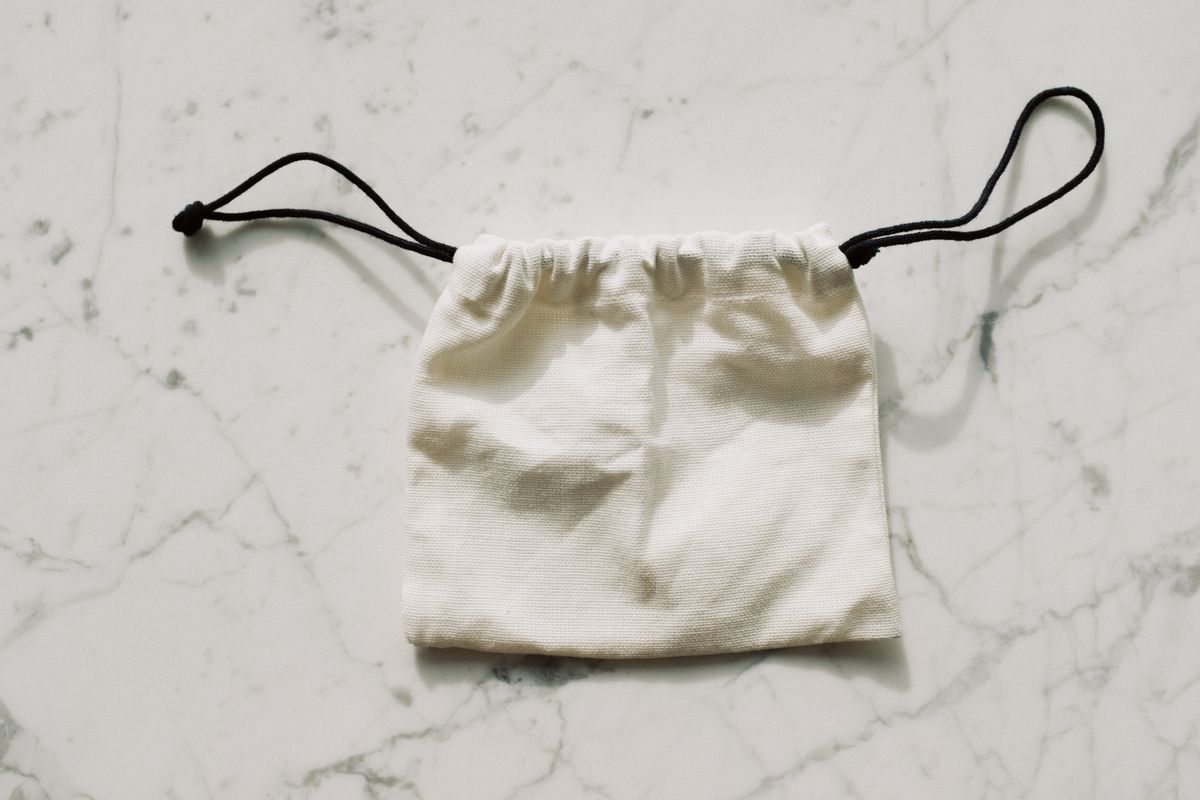 Fabric selection is the first decision in specifying a Cotton Bag for Seeds. Weight, weave, and fibre content all affect performance and brand perception.
Sizing Your Drawstring Cotton Bags for Seeds
Seed bag sizing is typically given as width x height in inches or centimetres, measured flat. The usable volume is less than the flat measurement suggests because the bag takes a rounded shape when filled.

Small pouches (3x4 to 4x6 inches): Retail herb and flower seed packets. Displayed on hooks or in bins at garden centres. Usually 4 to 6 oz muslin with a short cord.
Medium bags (6x8 to 8x10 inches): Standard vegetable and flower seed distribution. Fits 50g to 500g of most seed types depending on density. The most commonly ordered size range for seed distributors.
Large bags (10x14 to 14x18 inches): Commercial vegetable seed, corn, soybean, and sunflower varieties. Farm distribution and bulk retail.
Bulk sacks (18x24 inches and above): Cotton seed (the agricultural crop), wheat, and other high-volume farm seeds. Often replace woven polypropylene sacks for operations that prioritise biodegradability.
A capable supplier will work with your exact dimensions rather than selling from a fixed catalogue. Custom sizing is standard practice for factory-direct manufacturers exporting from India.
Seed Types and What They Require from the Bag
Different seeds have different packaging requirements. Matching the bag spec to the seed type prevents quality problems:

Oily seeds (sunflower, flax, chia): Oils can migrate into fabric over time. Natural unbleached cotton is preferable to bleached cotton for oily seeds, as bleaching chemicals can interact with seed chemistry. Avoid synthetic liners unless specifically required for the seed type.
High-moisture seeds: Seeds that are processed wet (some vegetable and agricultural seeds) need the maximum breathability cotton provides. Avoid coated or treated cotton fabrics for these applications.
Large agricultural seeds (corn, soybean, cotton crop): Need heavy canvas and strong seams. These bags are typically filled by weight on automated lines, and seam integrity is critical. Specify double-stitch seams and request a pull-test standard from your supplier. For commercial operations sourcing large-format bags at scale, our bulk Cotton Bags for Seeds guide for commercial farms covers capacity options, GSM ranges, and closure types for 5 kg to 50 kg agricultural sacks.
Treated or chemical-coated seeds: If seeds are treated with fungicide, insecticide, or polymer coatings, check with the supplier whether uncoated natural cotton is appropriate, or whether a coated inner surface is required to prevent chemical absorption into the fabric.
Eco-Friendly Credentials of Cotton Drawstring Seed Bags
The environmental case for Cotton Bags for Seeds is straightforward and increasingly important to seed company buyers:
Biodegradable end-of-life. 100% natural cotton, cotton cord, and natural thread decompose fully. A bag that ends up in a compost pile or landfill breaks down without leaving microplastic residue. Polypropylene and polyethylene alternatives do not.
Reusable by design. A well-made cotton drawstring bag can be washed and reused dozens of times. Retail customers repurpose them as storage pouches, produce bags, or herb sachets. The bag extends brand visibility long after the seed is planted.
Recyclable cotton fibre. Cotton fabric can be recycled through textile recycling programmes where they exist. The bag has a material afterlife beyond single use.
GOTS and OEKO-TEX certification options. For brands selling to premium or organic retail channels, fabric certified under the Global Organic Textile Standard (GOTS) or tested to OEKO-TEX Standard 100 provides documented proof of responsible fibre sourcing and chemical safety. These certifications are available from Indian manufacturers that have pursued the relevant audits.
Lower carbon vs synthetic alternatives. Natural cotton production has its own footprint, but compared to polypropylene woven bags manufactured from petroleum feedstocks, natural cotton typically carries a lower lifetime carbon burden when the reuse and biodegradability factors are included.
For seed companies marketing to environmental and organic retail markets, the cotton bag is not just functional packaging: it is a verifiable sustainability claim that fits the brand story.
Sourcing Drawstring Cotton Bags for Seeds from India
India is the largest exporter of Cotton Bags for Seeds globally, with manufacturing concentrated in Gujarat, Rajasthan, and Tamil Nadu. The combination of domestic cotton production, low manufacturing costs, and a well-developed export infrastructure makes India the most cost-competitive source for high-quality cotton bags at scale.
For US and UK seed companies evaluating Indian suppliers:
Minimum order quantities. Most factories require a minimum of 5,000 bags per SKU for custom-printed orders. Plain (unprinted) bags can sometimes be ordered in smaller quantities. For a seed company ordering multiple sizes and varieties, combining SKUs into a single container order is the most freight-efficient approach.
Lead times. Standard lead time for a custom order is 15 to 25 days for production, plus 25 to 35 days sea freight to US ports and 20 to 30 days to UK ports. First-time buyers should plan 8 to 10 weeks from order confirmation to delivery. Repeat orders from established suppliers can sometimes be expedited.
Samples before production. Any credible supplier will provide pre-production samples of the bag construction and, for printed orders, a printed proof for your approval. Never commit to a full production run without approving a physical sample that matches your spec in fabric weight, size, construction, and print.
Export documentation. A factory experienced in export to the US and UK will handle a commercial invoice, packing list, certificate of origin, and phytosanitary certificate if required. If your retail customers require third-party test reports for chemical safety, discuss this with the supplier before placing the order.
Quality verification. For significant first orders, third-party pre-shipment inspection by agencies such as SGS or Bureau Veritas can be arranged. The inspector visits the factory before shipment to verify quantity, fabric weight, seam quality, print quality, and packing against your purchase order. This step adds a small cost but eliminates most delivery surprises. For retail-focused seed companies and garden centres sourcing branded cotton bags, our guide to Cotton Bags for Seeds for garden centres and seed companies covers display specifications, labelling options, and seasonal ordering planning.
Frequently Asked Questions
What is the difference between muslin and canvas Cotton Bags for Seeds? Muslin is a plain-weave cotton fabric in lighter weights (4 to 6 oz), typically with a finer, softer texture. Canvas is a heavier plain or twill weave (8 oz and above) with more body and durability. Muslin suits small retail seed pouches; canvas suits larger farm and distribution bags that take more weight and handling.
Can Cotton Bags for Seeds be washed and reused? Yes. 100% cotton bags can be machine washed. For bags that will hold treated seeds, washing before reuse is advisable to remove any chemical residue. Natural cotton shrinks slightly on first wash, so size the bag with this in mind if reuse is part of your customer's plan.
Do you offer organic certified cotton (GOTS) bags? GOTS-certified bags are available at Whizzpack on request. They carry a premium over standard cotton due to the higher cost of certified organic fibre and the audit overhead. For brands selling to certified organic channels, the documentation value typically justifies the premium.
What is the minimum order quantity for drawstring Cotton Bags for Seeds? At Whizzpack, the minimum order quantity for custom printed drawstring Cotton Bags for Seeds is 5,000 units. Plain (unprinted) bags can be discussed for smaller initial orders.
How are the bags packed for export? Bags are packed flat in cartons, typically 100 to 500 bags per carton depending on size, and palletised for container loading. Each carton is labelled with size, quantity, and your purchase order reference. Packing lists and container loading photos are provided with every shipment.
Can you print seed variety names and barcode labels directly on the bags? Yes. Seed variety names, planting instructions, barcode formats (EAN, UPC), country of origin marking, and compliance text can all be printed directly onto the bag during production. This is more durable and consistent than applying labels individually after packing.
Whizzpack manufactures custom drawstring Cotton Bags for Seeds at our factory in Rajkot, Gujarat, from 4 oz muslin to 14 oz heavy canvas, with full custom printing, GOTS and OEKO-TEX options, and factory-direct export to the US and UK.
For complete specifications, size ranges, and closure options, see our drawstring Cotton Bags for Seeds page.
Request samples and a quote for your Cotton Bag for Seeds specification