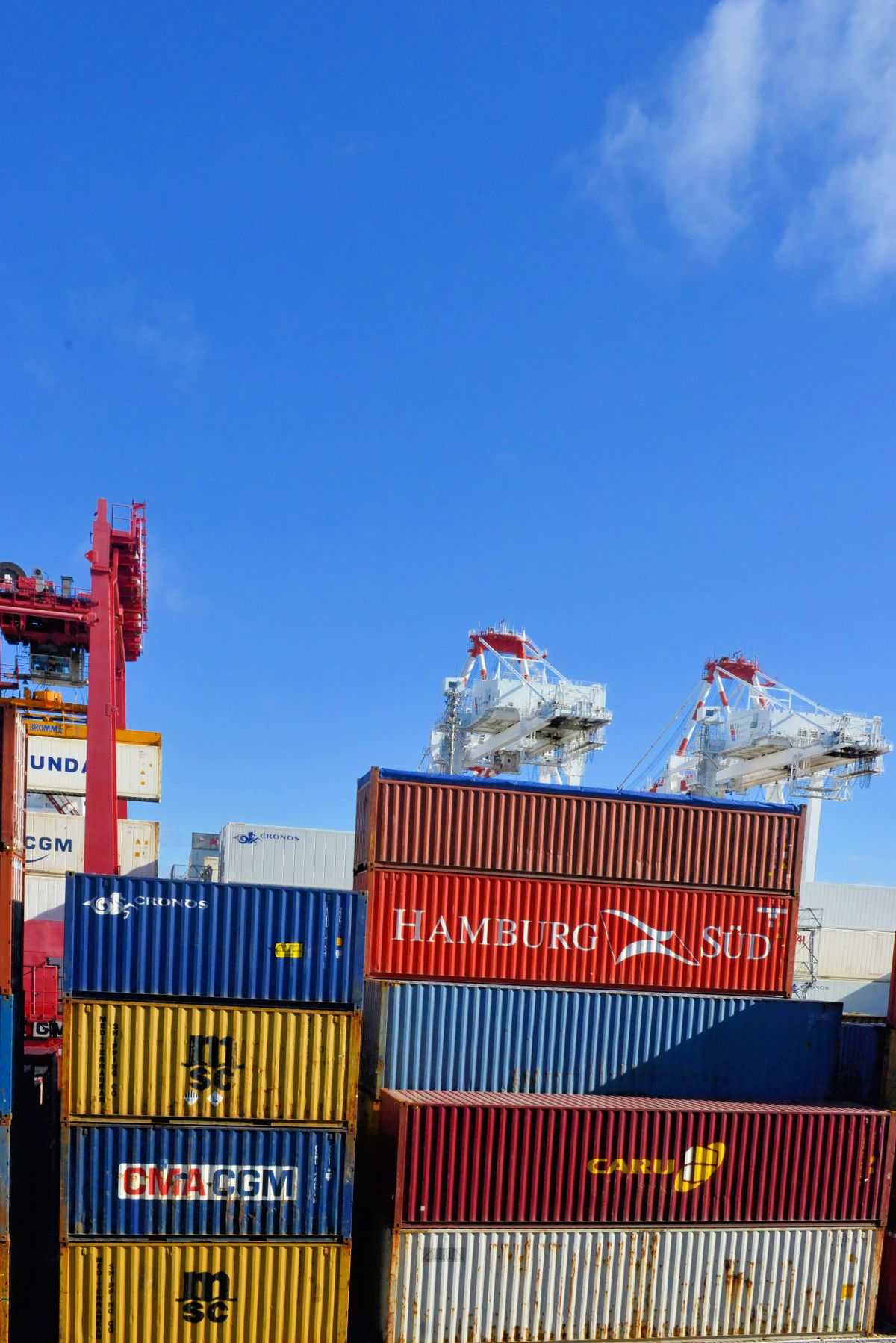
Before placing a bulk order for corrugated boxes from India, US importers need to know three things: the correct HTS (Harmonized Tariff Schedule) code, the duty rate that applies, and what documentation they will receive from an Indian manufacturer. Getting the HTS classification right matters because it determines your duty liability, and getting the documentation right determines how smoothly your customs entry clears.
HTS Code for Corrugated Boxes from India
Corrugated cardboard boxes import under HTS heading 4819 (Cartons, boxes, cases, bags and other packing containers, of paper, paperboard, cellulose wadding or webs of cellulose fibres).
The specific subheading depends on the box type:
| HTS Code | Description |
|---|---|
| 4819.10.0040 | Folding cartons, boxes, and cases of noncorrugated paper or paperboard - NOT corrugated |
| 4819.20.0020 | Folding cartons, boxes, and cases of corrugated paper or paperboard (most standard corrugated boxes) |
| 4819.20.0040 | Other cartons, boxes, and cases of corrugated paper or paperboard |
Most standard RSC corrugated boxes from India classify under 4819.20.0020 or 4819.20.0040. Your customs broker will confirm the correct 10-digit HTS code based on the exact product description on the commercial invoice.
Always confirm HTS classification with a licensed customs broker before importing. HTS codes can change, and misclassification results in penalty duties or CBP (Customs and Border Protection) enforcement actions.
US Import Duty Rate for Corrugated Boxes from India
The US MFN (Most Favoured Nation) duty rate for corrugated boxes under HTS 4819.20 is free (0%) for most subheadings.
India is a normal trade relations partner with the US and benefits from MFN tariff rates. No Section 301 tariffs apply to India - these are specific to China (and a small number of other countries). Corrugated boxes from India enter the US duty-free under standard MFN.
Compare to China: US Section 301 tariffs add 25% to the duty cost of most paper and packaging products from China, including corrugated boxes. A buyer switching from China to India on a $60,000 per container packaging spend saves approximately $15,000 per container in Section 301 tariffs alone.
Other potential charges at US customs:
- Merchandise Processing Fee (MPF): 0.3464% of the declared customs value, with a minimum of $32.71 and a maximum of $634.62 per entry. This applies to all commercial imports including packaging from India.
- Harbor Maintenance Fee (HMF): 0.125% of the customs value for shipments arriving at US ports. Applies to ocean freight shipments.
- US federal excise tax: Does not apply to corrugated boxes.
US Customs Documentation from an Indian Supplier
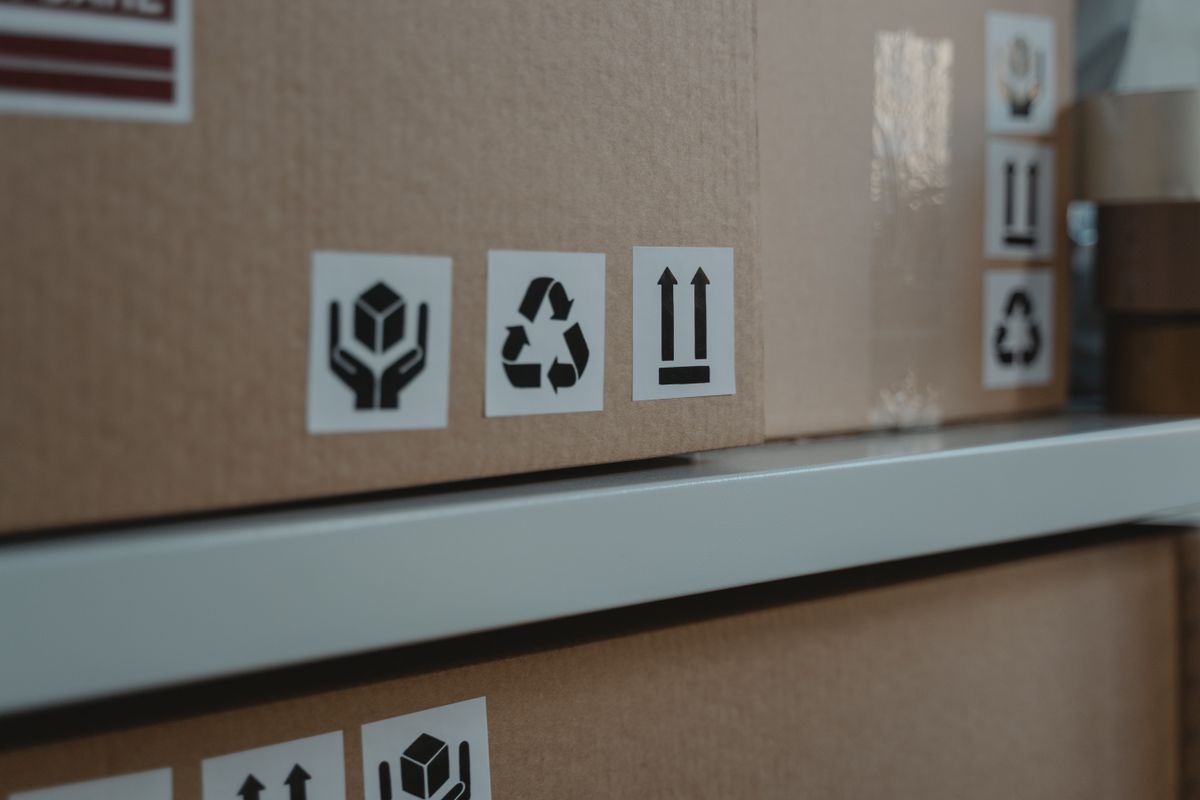
For a standard corrugated box import from India, CBP requires the following documents:
Commercial Invoice: Must state the seller (Indian factory name and address), buyer (US importer name and address), date of shipment, detailed description of goods (corrugated boxes, dimensions, board specification), quantity (carton count and unit count), unit price, total value (USD), and country of origin (India).
Packing List: Carton count, gross weight, net weight, and dimensions of each shipping carton. This is separate from the commercial invoice.
Bill of Lading (Ocean): The carrier's document of title. Specify whether you want an original bill of lading or a telex release (electronic surrender). Most US importers use telex release for speed.
Certificate of Origin: A document certifying that the goods were manufactured in India. For a US import at 0% duty, a formal CO is not required to claim a tariff preference (there is no preference to claim at 0% MFN). However, CBP may request it to verify country of origin, and having it available is good practice.
Quality Test Certificate: Not a CBP requirement, but essential for your own records. Request the ECT and/or burst strength test report for the specific board batch in your production order. Indian manufacturers exporting to the US routinely provide these.
Customs Entry Process for Corrugated Boxes
US import entries are filed through ACE (Automated Commercial Environment), CBP's trade processing system. Your US customs broker handles this:
- Receives the shipping documents from your Indian supplier (typically 5 to 7 days before vessel arrival at US port)
- Submits an entry to ACE before the vessel arrives at port
- Pays estimated duties and fees on your behalf (then invoices you)
- CBP processes the entry - most paper and board shipments from India are released without physical examination under risk-based targeting
- CBP issues a release; the goods can be picked up from the port terminal
ISF (Importer Security Filing): For ocean freight, you or your customs broker must file an ISF (also called "10+2") at least 24 hours before the vessel departs India. Your broker handles this routinely, but confirm it is included in their service.
Importer of Record: The US entity that imports the goods and is responsible for customs compliance. This must be a US entity with a valid Employer Identification Number (EIN) or CBP-assigned importer number.
What to Tell Your Indian Supplier for Customs
To ensure your customs documentation is correct, give your Indian supplier:
- Your full US company name and address for the commercial invoice and bill of lading
- The Incoterms for the shipment (FOB Mundra, CIF US port, etc.)
- The name and contact for your US customs broker (so your supplier can coordinate on documentation)
- Any US Customs requirements specific to your category (for food-contact packaging, food safety documentation may be needed)
- Whether you want original bill of lading or telex release
A well-organised Indian corrugated box manufacturer will have exported to the US before and will know what CBP expects. Ask upfront: "Have you exported corrugated boxes to the US previously?" and "Can you provide the documentation set I've described?" A clear yes to both, backed by a reference from a US buyer, gives you the right starting point.
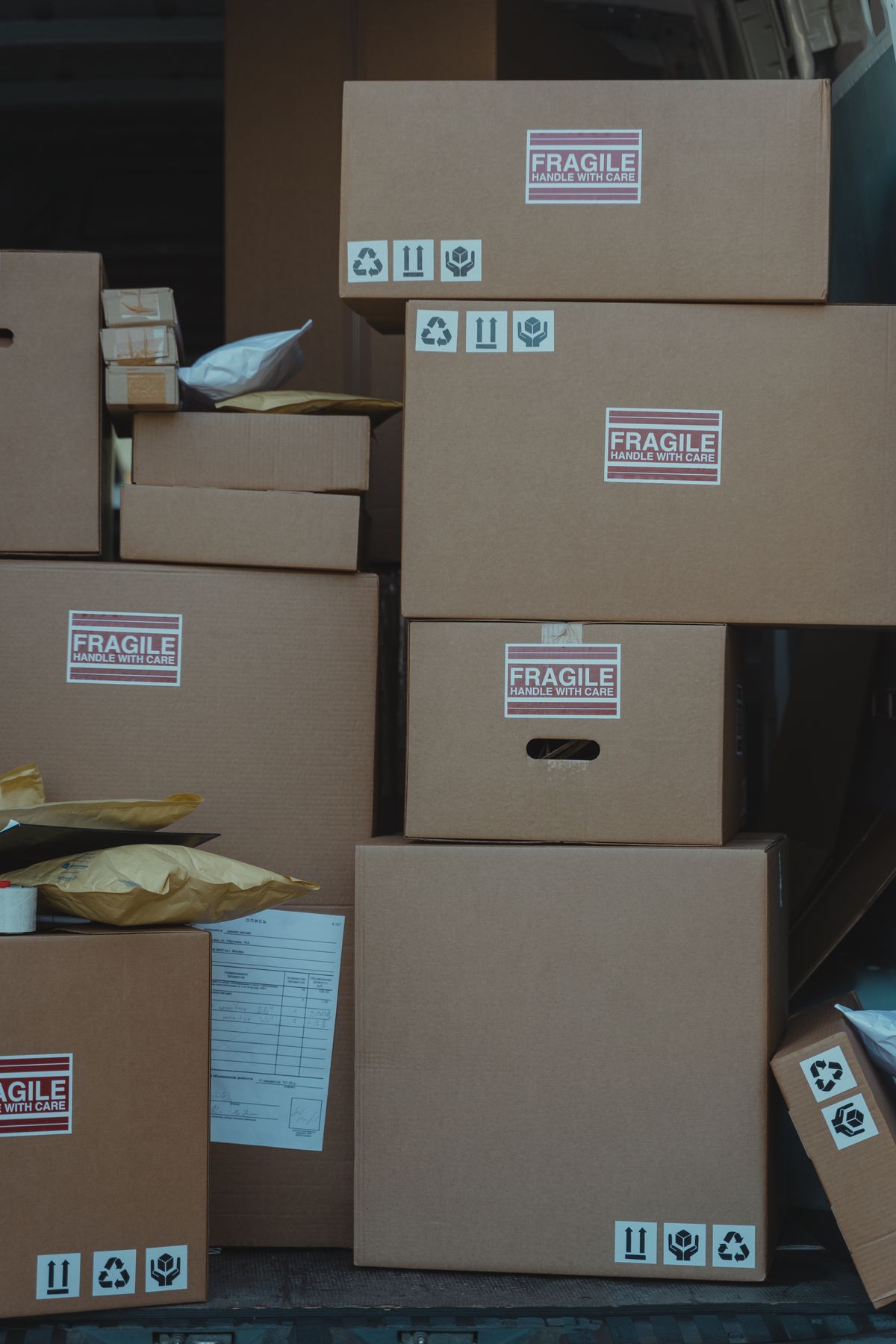
Cotton Bags from India: Same HTS Heading, Different Chapter
If you are also importing cotton bags for seeds from India alongside corrugated boxes, cotton bags classify under a completely different HTS chapter - Chapter 63 (other made-up textile articles, sets, worn clothing and worn textile articles, and rags). Specifically, cotton drawstring bags and similar fabric bags import under 6305.20.0000 (sacks and bags of a kind used for the packing of goods, of cotton).
The duty rate on cotton bags from India under this heading is 3.6% under MFN. There are no Section 301 tariffs on Indian cotton bags.
For a combined shipment of corrugated boxes and cotton bags from the same Indian factory, each product type is declared separately under its own HTS code on the customs entry.
Whizzpack exports corrugated boxes and Cotton Bags for Seeds from our factory in Rajkot, Gujarat to US importers with a complete customs documentation package: commercial invoice, packing list, bill of lading, certificate of origin, and ECT/burst strength test certificates. To request a quote or discuss your specification, visit our corrugated boxes page or contact contact@whizzpack.in.
For the complete India import process, see our step-by-step guide to importing corrugated boxes from India.